A special event liquor licence (also written as “special event liquor license” in American English) is the short-term authorization to serve alcohol at a specific event. It covers who can serve, where service happens, and what is allowed. For Yorkton-area hosts, Rayzr’s Cellar supports planning with permit guidance, product sourcing, and responsible-service checklists.
By Rayzr’s Cellar • Last updated: 2026-06-21
Overview and table of contents
This complete guide explains what a special event liquor licence is, why it matters for safe, legal hospitality, and how to get one step-by-step. You’ll learn event types, rules of service, planning timelines, compliance tips, and how Rayzr’s Cellar helps with products, delivery, gift baskets, and permit preparation.
Use this guide as your playbook from idea to last call. We focus on practical steps that work for real events in our local area and align with responsible service.
- What is a special event liquor licence?
- Why it matters for event success
- How permitting works (step-by-step)
- Event types and service formats
- Best practices for responsible alcohol service
- Tools, templates, and resources
- Real-world scenarios from Yorkton-area events
- Frequently asked questions
What is a special event liquor licence?
A special event liquor licence is a short-term permit authorizing alcohol service for a defined date, time, and place. It sets conditions for who may serve, service boundaries, ID checks, and allowed products. It’s mandatory for most public events offering alcohol, and often required for larger private functions.
In plain terms, this permit allows you to serve beer, wine, and spirits legally at a wedding, fundraiser, festival, or private celebration under specific conditions. Rules vary by jurisdiction, but the core ideas are similar: controls on service area, age verification, intoxication prevention, and record-keeping.
Rayzr’s Cellar supports organizers with real-event logistics: matching drink menus to guest counts, assembling custom gift baskets for raffles or hosts, arranging local delivery for event day, and helping you prepare documentation for Special Occasion Permits so your plan aligns with responsible-service expectations.
Why a licence matters for your event
A permit protects guests and hosts by formalizing responsible service: age checks, service boundaries, trained servers, and alcohol types allowed. It reduces legal risk, supports insurance requirements, and gives clear guardrails to keep your celebration safe and smooth.
Permits are not just paperwork; they codify how you’ll prevent overservice, control access to hard liquor, and keep minors away from alcohol. Insurers and venues often expect documentation, and many suppliers won’t deliver to events without a credible service plan. For community events, consistent controls also keep neighbors and volunteers on the same page.
We see the practical benefits every season: a written service plan clarifies who is in charge, where drinks can go, and when last call happens. It also helps you order the right mix of product. For example, a fall fundraiser may emphasize canned craft beer and non-alcohol options for simplicity, while a wedding may prefer a curated wine list and a short spirits rail.
How permitting works (step-by-step)
The permitting process follows a predictable arc: define the event, choose the permit category, outline your service plan, gather documents, submit the application, and prepare on-site controls. Build a clear timeline, then lock product, staffing, and delivery to match your approval window.
Permits and terminology differ by province, but the workflow below will keep you organized from concept to compliance. Use it as a checklist with your venue and volunteer leads.
Step 1 — Define your event
- Set basics: date(s), hours, indoor/outdoor, guest count range, and alcohol types (wine, beer, spirits).
- Map the space: entrances, exits, serving stations, ID check points, and a clearly marked service boundary.
- Decide service style: host bar, cash bar, drink tickets, or tasting samples.
Step 2 — Pick the right category
- Private celebration: invitation-only weddings, anniversaries, or milestone parties.
- Public/community: festivals, cultural events, concerts, farmers’ markets with samples.
- Charity/fundraiser: ticketed events, raffles, auctions, silent auctions with wine baskets.
- Sampling/tasting: controlled portions, often with measured pours and server training.
Step 3 — Write your service plan
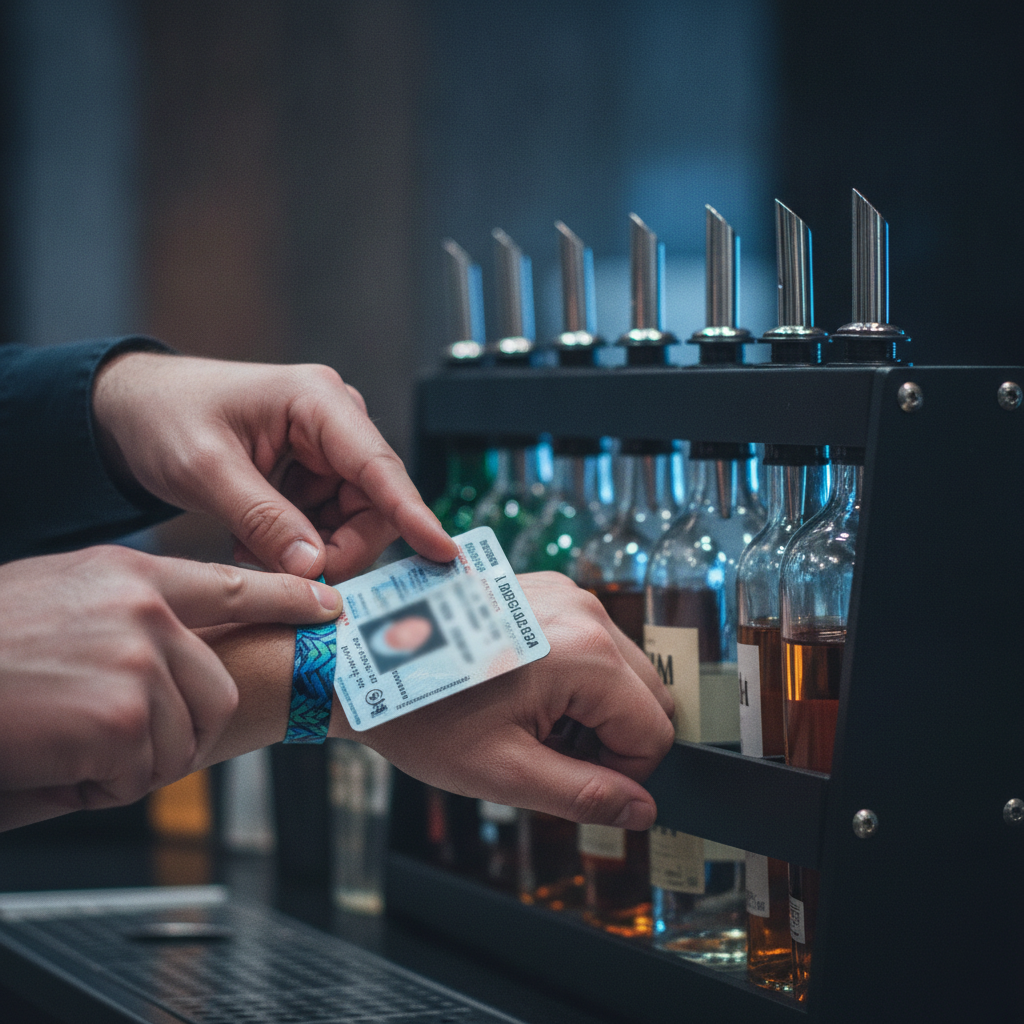
- Access control: ID checks, wristbands, trained door staff, and signage.
- Responsible pouring: use measured pour spouts; avoid self-serve for spirits and hard liquor.
- Intoxication prevention: water stations, food availability, cut-off procedures, and safe-ride options.
- Staffing: define who supervises each bar and who makes final safety calls.
Step 4 — Gather documents
- Site map: show the licensed area and serving points.
- Permission letters: venue authorization if you’re not the property owner.
- Insurance and security: proof of coverage when required; outline of volunteer or hired security.
- Supplier details: who provides alcohol, delivery schedule, and storage plan.
Step 5 — Apply and confirm
- Submit application: follow your provincial process; include all attachments.
- Confirm conditions: review any restrictions on hours, products, and service zones.
- Communicate: brief your team on rules; place signs and wristbands in advance.
Step 6 — Prep for event day
- Stock and staging: receive product, chill beer and white wine, secure spirits.
- Briefing: go over ID checks, cut-off steps, and incident logging.
- Run of show: set last call time, assign float checks, and plan cleanup with recycling.
In our experience with Yorkton-area events, the teams that block time for a thorough run-through have fewer hiccups. A 15-minute checklist huddle pays off all night.
Event types and serving formats
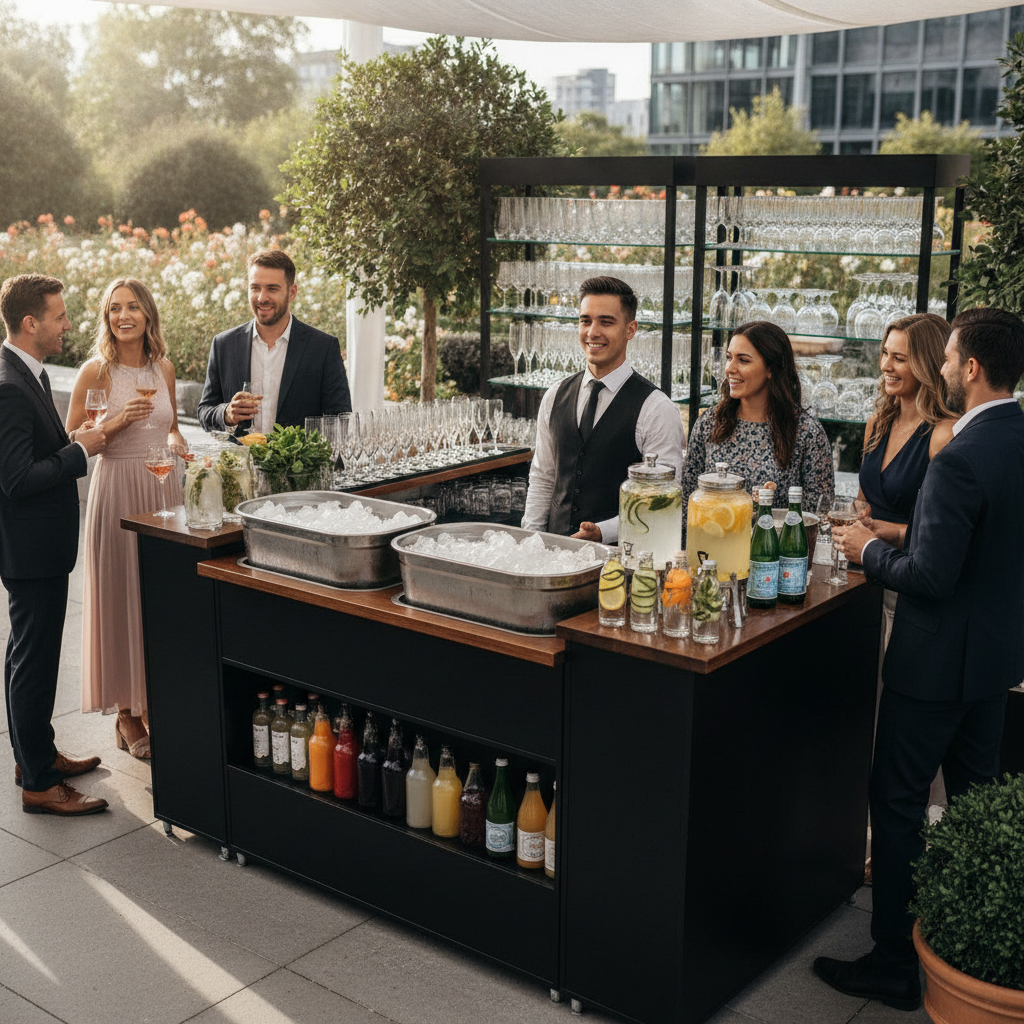
Match your permit to the event format. Private celebrations, public festivals, fundraisers, tastings, and corporate functions each have different service expectations. Align serving style—host bar, drink tickets, or samples—with your controls, staffing, and permitted alcohol categories.
Getting the category right keeps your plan realistic. For private celebrations, a simple host bar with beer and wine may be ideal. For larger public events, create separate lines: one for wristbanding and one for service. Tastings need measured pours and tight product control—especially with spirits.
Common formats we see work well
- Weddings: curated wine list plus a short rail (vodka, gin, rum, whiskey) to satisfy varied tastes.
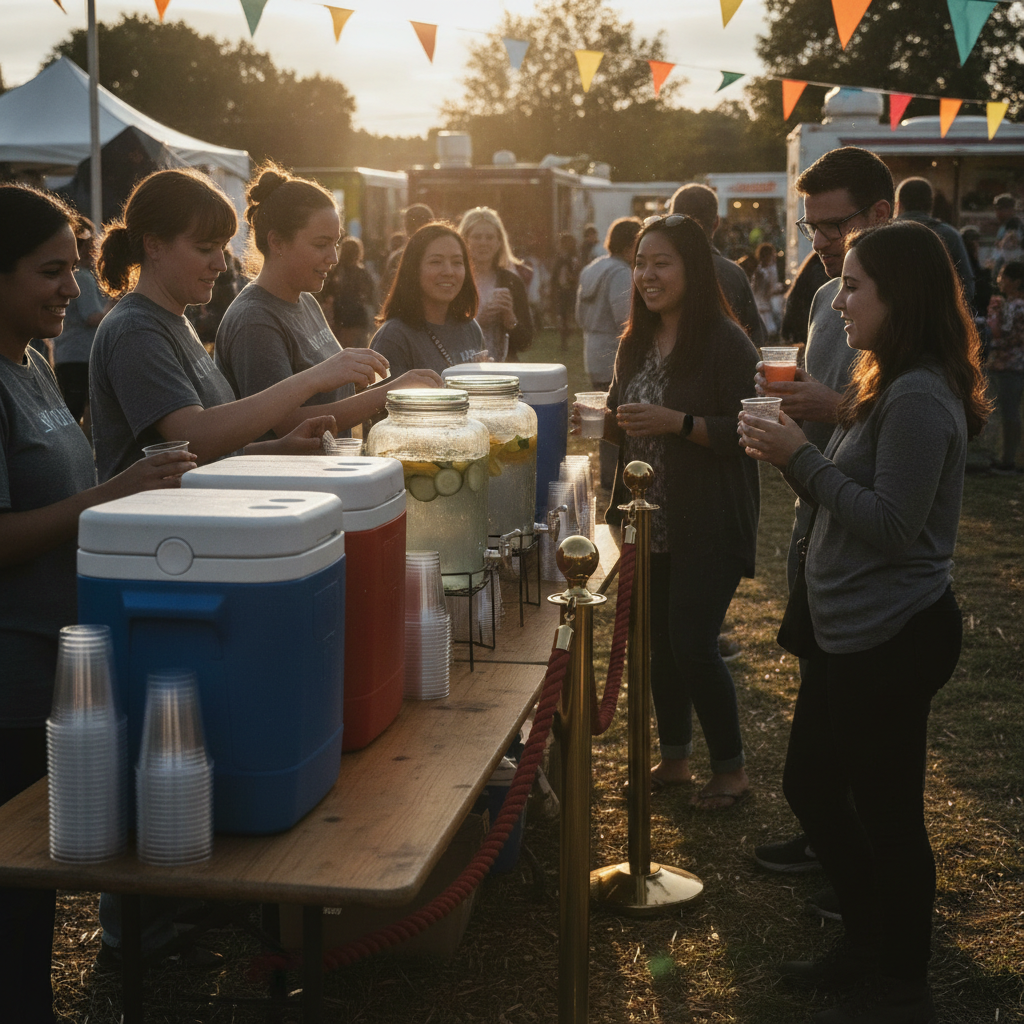
- Community festivals: canned craft beer, coolers, and ciders for speed and recycling.
- Charity tastings: small measured samples of specialty wines and hard liquor with food pairings.
- Corporate mixers: wine-forward, low-ABV cocktails, and plenty of non-alcohol options.
Sample comparison table
| Event Type | Typical Service | Key Controls | Product Notes |
|---|---|---|---|
| Private wedding | Host bar; tickets for shots discouraged | Wristbands, last-call time posted | Balanced wine list; a small spirits rail |
| Public festival | Drink tickets; multiple lines | Separate ID check zone | Canned beer, ciders, coolers for speed |
| Fundraiser gala | Host bar with controls | Incident log and sober shift leads | Feature specialty wines for auctions |
| Tasting event | Measured samples only | Pour spouts; sample size limits | Focus on specialty wines and spirits |
Best practices for responsible service
Solid controls make great nights. Use wristbands, measured pours, water stations, food availability, and a clear cut-off process. Assign sober leads, log incidents, and separate ID checks from bar service. Keep spirits secured and avoid self-serve hard liquor entirely.
Service standards that work
- ID checks away from the bar: reduce congestion and ensure consistency.
- Visible service boundary: stanchions or fencing prevent alcohol from leaving the area.
- Water and food: keep lines moving and guests comfortable; offer non-alcohol options.
- Incident logging: short notes help shift leads make consistent decisions.
Specific tips for spirits and hard liquor
- Lockable storage: keep spirits secured between shifts.
- Short rail only: vodka, gin, rum, whiskey; avoid long specialty lists at high-volume events.
- Measured pour spouts: standardize servings and reduce waste.
- No self-serve: spirits should never be left unattended on tables.
Volunteer and staff playbook
- Brief before doors: walk the site map, boundaries, and radio channels.
- Assign zones: one lead for each bar; float for breaks; designated sober supervisor.
- Cut-off protocol: two-person approach, offer water and food, arrange a ride if needed.
We’ve found that posting your cut-off steps in the staff area reduces stress and makes decisions easier when the room is busy. Preparation beats improvisation.
Tools, templates, and resources
Build a simple toolkit: site map template, service-plan checklist, incident log, and an order calculator. Align tools with your permit conditions and venue layout. Keep printed copies at the bar manager station and share digital versions with your team.
Documents that keep teams aligned
- Service plan checklist: ID checkpoints, wristband colors, last call time, security contacts.
- Site map: entrances/exits, bar stations, boundaries, and water/food locations.
- Incident log: short form with time, location, staff initials, and action taken.
- Inventory sheet: starting counts, returns, wastage notes, and end-of-night counts.
Ordering and delivery coordination
- Staging windows: receive product the day before; chill beer and white wine.
- On-site storage: shade or refrigeration; secure spirits with limited access.
- Returns plan: designate a staffer to separate unopened returns at close.
For broader delivery context beyond our region, see this practical overview of delivery operations and customer expectations in a major Canadian city in this delivery protocols post. While your event is different, the logistics points are relatable.
How to get a special event liquor licence
Plan early. Define the event, choose the category, write your service plan, assemble documents, then submit your application with a clear site map and staffing outline. Once approved, brief your team, secure product and delivery, and set last call and cut-off procedures.
Practical checklist
- Confirm venue and dates.
- Choose permit type (private, public, fundraiser, tasting).
- Draft service plan; mark boundaries on site map.
- Line up staff/volunteers and ID check station.
- Arrange product, custom gift baskets, and local delivery with Rayzr’s Cellar.
- Submit permit application with all attachments.
- Hold a pre-event walkthrough; post last call time.
Local considerations for your area
- Seasonal swings can affect outdoor service lines; plan shade, heaters, or tents for guest comfort.
- Holiday weekends draw larger crowds; boost ID staffing and set earlier last calls to ease exits.
- For community events, coordinate with nearby organizers to stagger peak times and reduce congestion.
How Rayzr’s Cellar helps event organizers
We help you translate permit rules into a smooth guest experience. From special order sourcing and curated wine lists to local delivery and custom gift baskets, we align your menu, staffing, and setup with your approved service plan.
Real services you can use
- Product planning: wine, beer, and spirits assortments that fit your event format.
- Special order products: request unique wines, craft beer, or a specific spirit.
- Local delivery: timed drop-offs for cold product and secured spirits.
- Custom gift baskets: raffle-ready or host gifts, tailored to your theme.
- Drink recipes: simple, make-ahead batches to ease lineups.
- Flyer deals: plan your buying windows to match promotional cycles.
Menu playbooks for common events
- Weddings: two reds, two whites, one rosé or sparkling; a concise spirits rail.
- Festivals: canned craft beer, ciders, and coolers; focus on speed and recycling.
- Fundraisers: specialty wines for auction; controlled sampling stations.
- Corporate: low-ABV cocktails, alcohol-free options, and premium non-alcohol beverages.
The right assortment reduces waste and keeps bartenders focused. Simpler is often better when lines are long.
Case studies and scenarios
Event success comes from simple plans executed well. These mini-scenarios show how a clear service plan, measured pours, and matched products prevent bottlenecks, reduce waste, and keep guests safe—while meeting permit conditions.
Scenario 1: Community tasting night
- Goal: showcase specialty wines and a small spirits feature.
- Controls: measured pour spouts; samples only; water and food stations.
- Assortment: 6 specialty wines, one premium whiskey, one gin for a signature mini-cocktail.
- Outcome: steady flow; easy compliance; positive guest feedback on variety.
Scenario 2: Summer festival beer garden
- Goal: high throughput with simple controls.
- Controls: separate ID and ticket lines; wristbands; defined boundary.
- Assortment: craft and domestic beer, ciders, and a popular cooler; no spirits.
- Outcome: fast service; tidy site; minimal waste at close.
Scenario 3: Wedding with host bar
- Goal: elegant service without long waits.
- Controls: host bar; posted last call; sober shift lead.
- Assortment: balanced wine list; limited spirits rail (vodka, gin, rum, whiskey).
- Outcome: happy guests; straightforward cleanup; smooth exit timing.
Common mistakes to avoid
Overcomplicating menus, skipping a site map, and mixing ID checks with bar lines create delays and risks. Avoid self-serve spirits, unclear last calls, and untrained volunteers. Keep it simple, label zones, and practice the run of show before doors open.
- Too many SKUs: long menus slow pours and inflate leftovers.
- No boundary markers: guests drift; enforcement becomes stressful.
- Poor hydration: without water, guests queue more and stay longer in bar lines.
- Unclear leadership: assign a single bar manager with authority.
Frequently asked questions (FAQ)
These short answers cover permit basics, responsible-service standards, product choices, and planning timelines. They’re designed to help you take action quickly while aligning with local rules and best practices.
Do I always need a special event liquor licence for a private party?
Most public events require a permit. Smaller private gatherings may have different rules depending on the venue and jurisdiction. When in doubt, outline your plan, confirm with your venue, and follow provincial guidance on private vs. public functions.
What should my alcohol menu include for a mixed crowd?
Keep it simple: two reds, two whites, a rosé or sparkling, a short spirits rail, and plenty of non-alcohol options. Canned beer, ciders, and coolers speed service. Fewer SKUs mean faster lines and easier compliance.
How do we prevent overservice and keep guests safe?
Use wristbands, separate ID checks, measured pours, food and water stations, and a posted last call. Assign a sober shift lead with authority to pause service and coordinate safe rides if needed.
Can I offer tastings of spirits and hard liquor?
Yes—if your permit allows it and you follow sample size controls. Use measured pour spouts, keep spirits secured, and pair with food. Make sure staff understand the difference between tasting samples and full pours.
What’s the best timing for ordering and delivery?
Order after your permit details are defined. Receive product a day in advance to chill beer and white wine, and secure spirits. Build a returns plan for unopened items and assign one staffer to manage it at close.
Key takeaways
Choose the right permit, keep controls simple, and brief your team. Align your menu with the event format, secure spirits, separate ID checks, and plan last call. Preparation and a clean site map prevent most issues long before the doors open.
- Match permit category to event format.
- Use wristbands, measured pours, and clear boundaries.
- Keep menus focused; avoid self-serve spirits.
- Walk the plan with staff before doors open.
- Coordinate delivery, chilling, and returns.
Planning a licensed event? Our team can help you match product to your service plan, coordinate local delivery, and assemble custom gift baskets for raffles or hosts. Bring your site map and permit details—we’ll help you turn them into a smooth bar setup.