Single malt Scotch whisky is malted barley whisky distilled at one Scottish distillery in copper pot stills and aged in oak for at least three years. It must be bottled at 40% ABV or higher. In Canada, enthusiasts prize single malt for its clear barley character, regional styles, and collectible releases.
By Prince Arora • Last updated: 2026-06-26
Quick Summary
Single malt Scotch is a protected style made from 100% malted barley at one distillery, matured in oak in Scotland for at least three years, and bottled at 40% ABV or higher. This guide covers definitions, production, styles, tasting, gifting, delivery, permits for events in Canada, and retailer-supported examples.
- Clear definition of “single” and “malt,” plus legal standards and ABV.
- How malting, mashing, fermentation, pot stills, and oak aging shape flavor.
- Regions and styles: peated vs. unpeated, finishes, and age statements.
- How to pick bottles, host tastings, and build memorable gifts.
- Practical help: delivery, special orders, and permits guidance for Canada.
Table of Contents
- What Is Single Malt Scotch Whisky?
- Why Single Malt Matters
- How It’s Made
- Types and Styles
- Best Practices
- Tools and Resources
- Case Studies and Examples
- FAQ
- Conclusion and Next Steps
What Is Single Malt Scotch Whisky?
Single malt Scotch whisky is distilled at one Scottish distillery using 100% malted barley in copper pot stills, matured in oak in Scotland for at least three years, and bottled at 40% ABV or higher. The protected term defines origin, ingredients, and method, preserving authenticity and regional identity.
Two words do the heavy lifting: “single” (one distillery) and “malt” (malted barley only). Scotch must be made and aged in Scotland, in oak casks, for at least three years. Bottling must be at or above 40% ABV. These guardrails let you compare bottles fairly and understand style cues quickly.
| Category | Grain | Distilleries | Typical Traits |
|---|---|---|---|
| Single Malt | 100% malted barley | One | Barley-led, pot-distilled, regional nuance |
| Blended Malt | 100% malted barley | Multiple | Blend of malts from several distilleries |
| Single Grain | Wheat/corn + barley | One | Often column-distilled, lighter profile |
| Blended Scotch | Malt + grain | Multiple | Consistent house style, approachable |
Minimum maturation (3 years), common fill strength (~63.5% ABV), and frequent cask sizes (200–250 liters for bourbon hogsheads; ~500 liters for sherry butts) give practical context when you read labels or compare releases online.
Why Single Malt Matters
Single malt matters because it offers transparent provenance and focused barley character. One distillery’s spirit, shaped by stills and casks, creates a distinct signature. For shoppers in Canada, that means confident gifting, easier comparisons, and collectible releases curated by knowledgeable retailers.
- Provenance you can taste: Water source, yeast, fermentation time (often 48–96 hours), and still shape influence fruit, floral, cereal, and texture notes.
- Clear comparisons: Variables like peat level (from ~2 ppm to 50+ ppm), cask type, and ABV are easier to isolate with single distillery production.
- Gift-worthy details: Age statements (10, 12, 15, 18+ years), cask finishes, or recognized regions create instant story value in a gift note.
- Collectibility: Limited releases, single casks (~150–700 bottles), and annual editions reward curiosity and patience.
At Rayzr’s Cellar, we see how a well-chosen single malt anchors a registry or gift basket. A balanced Highland or Speyside often becomes someone’s “house pour,” while a peat-forward Islay turns tasting nights into conversation starters.
How Single Malt Scotch Whisky Is Made
Single malt follows five steps: malting, mashing, fermentation, copper pot distillation, and oak maturation in Scotland. Each stage leaves a fingerprint—barley cultivar, yeast strain, still geometry, and cask selection collectively craft the whisky’s aroma, palate, and finish.
- Malting: Barley is steeped, germinated, and kiln-dried. Peat smoke (when used) imparts phenols that read as smoke, earth, and tar. Kilning temperatures and duration affect enzyme preservation.
- Mashing: Crushed malt (grist) meets hot water across staged temperatures (often ~64–68°C), extracting sugars into sweet wort. Lautering clarifies the wort.
- Fermentation: Yeast converts sugars to alcohol over 2–4 days; longer ferments (60+ hours) often yield fruitier esters. Wash strength usually lands around 6–9% ABV.
- Distillation: Typically double-distilled in copper pot stills. Cut points (foreshots, heart, feints) determine character. Final new-make often runs ~68–72% ABV.
- Maturation: Casks (ex-bourbon, sherry, port, wine, or new oak) transform new-make over years. Climate, warehouse type, and cask size influence angel’s share (~1–3%/year).
Many producers fill casks near 63.5% ABV. Bottlings at 40–46% ABV are common, while cask-strength releases can exceed 55% ABV. A few drops of water can unlock esters and soften alcohol prickle during tasting.
Types and Styles of Single Malt
Single malt styles span fruit-forward Speyside, robust Highland, delicate Lowland, smoky Islay, maritime Islands, and distinctive Campbeltown. Peating level, cask program, and age statements (or NAS) further diversify flavor, from vanilla-and-citrus to dried-fruit-and-smoke.
- Speyside: Orchard fruit, honey, vanilla. Explore approachable classics like the fruit-led Speyside profile found in options similar to Glenfiddich 12 for a smooth start.
- Highland: Heather, toffee, baking spice; ranges from light to full-bodied. Finishes (sherry, port) add richness and dried fruit.
- Islay: Smoke, brine, iodine. A gentle gateway can be a balanced Islay like Bowmore 12; peat lovers often graduate to icons such as Lagavulin 16.
- Islands: Maritime, peppery, occasionally smoky; think sea spray and subtle sweetness—great with smoked nuts and dark chocolate.
- Lowlands: Light, grassy, citrusy; an easy aperitif style when you want gentle cereal and lemon peel.
- Campbeltown: Oily, saline, sometimes smoky; a connoisseur’s detour for savory depth.
- Cask influence: Ex-bourbon brings vanilla/coconut; sherry adds dried fruit/spice. See classic sherry-forward approaches in bottles akin to Balvenie DoubleWood 12.
- NAS vs. age-stated: Age guarantees minimum years (e.g., 12 means 12+ years). No-age-statement (NAS) focuses on flavor batching; quality depends on cask selection.
- Phenols (peat): Measured in ppm at malt stage; sensory impact also depends on distillation and maturation. A coastal style like Kilchoman Machir Bay shows peat with citrus and sea air.
Flavor shorthand helps: bourbon-cask for vanilla sweetness, sherry-cask for raisin and spice, light peat for campfire and citrus, heavy peat for medicinal smoke and ash. Pair profiles to palates and occasions for better bottle picks.
Best Practices for Selection and Enjoyment
Choose single malt by flavor profile, ABV, and cask type. Serve in a Glencairn or copita at room temperature (around 65–70°F), add a few drops of water to open aromas, and store bottles upright away from light and heat. For gifts or events, add neutral snacks and two glasses.
How to pick the right bottle
- Start with style: New to Scotch? Try fruit-forward Speyside at 40–43% ABV. Curious about peat? Move to lightly peated Highlands around 43–46% ABV.
- Scan the label: Region, ABV, cask type, chill filtration, natural color, and whether it’s cask strength (often 55%+ ABV).
- Match the moment: Weeknight sipper (25–30 ml pour), celebratory dram (43–46% ABV), or tasting night (cask strength for flexibility).
- Gifting cues: Age statements (12/15/18), notable distilleries, or special finishes read as thoughtful and intentional.
How to taste (simple flow)
- Nose gently with mouth slightly open; note fruit, malt, oak, and smoke. Give 2–3 minutes in glass to bloom.
- Sip small; let it coat your tongue before swallowing. Track sweetness, acidity, bitterness, and finish length (in seconds).
- Add 2–5 drops of water to cask-strength pours; re-nose and re-taste to reveal esters and reduce alcohol prickle.
- Compare two bottles side by side; flights of 3–5 reveal differences in cask and peat more clearly.
Local considerations for your area
- Plan for delivery in Canada: an adult with valid ID must be present to receive beverage alcohol.
- Cold seasons can mute aroma; let whisky warm to room temperature (about 20–22°C) before tasting.
- For licensed events in Canada, secure Special Occasion Permit approvals before purchasing and pouring.
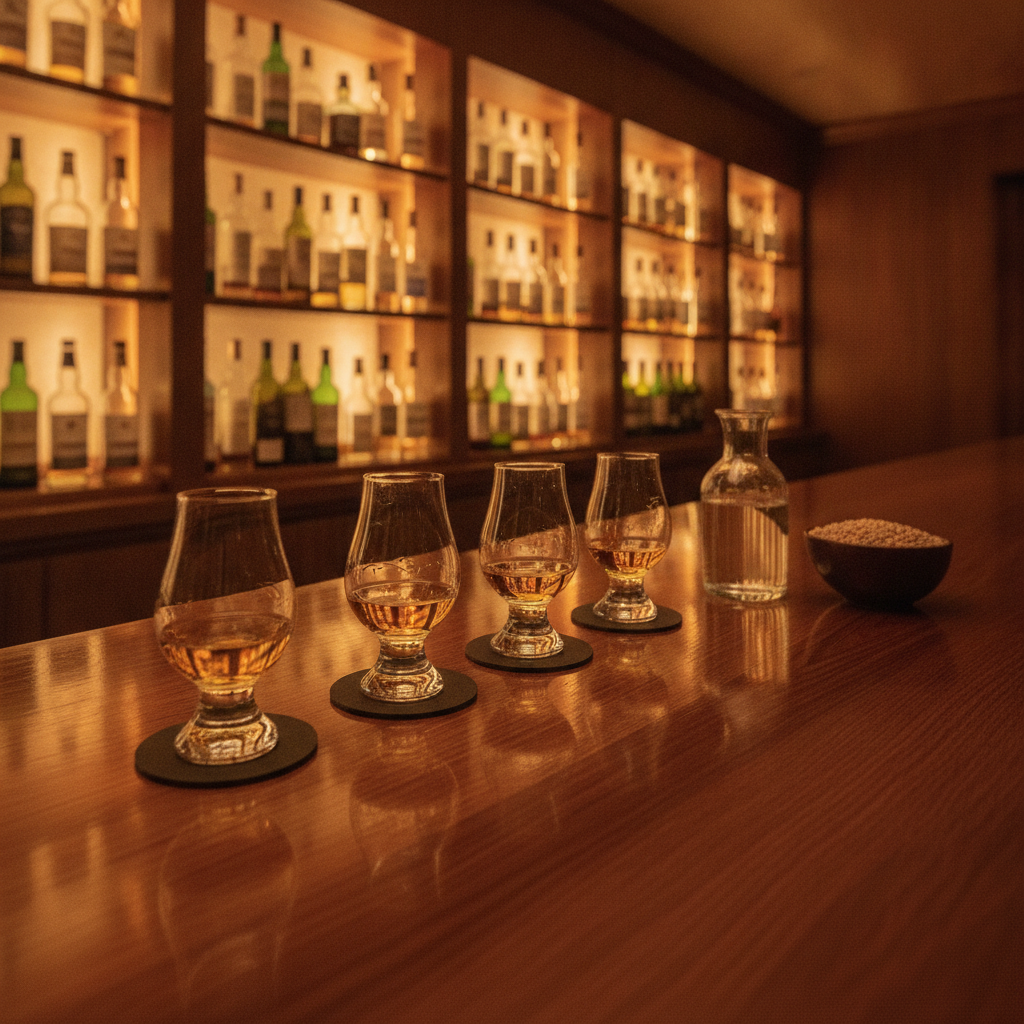
Hosting a Scotch night? Keep snacks neutral—unsalted nuts, dark chocolate (70–85%), and mild cheeses—so they frame, not overshadow, the whisky’s nuance. Typical pour sizes of 0.75–1 oz per sample keep palates fresh across a 4-glass flight.
Tools and Resources
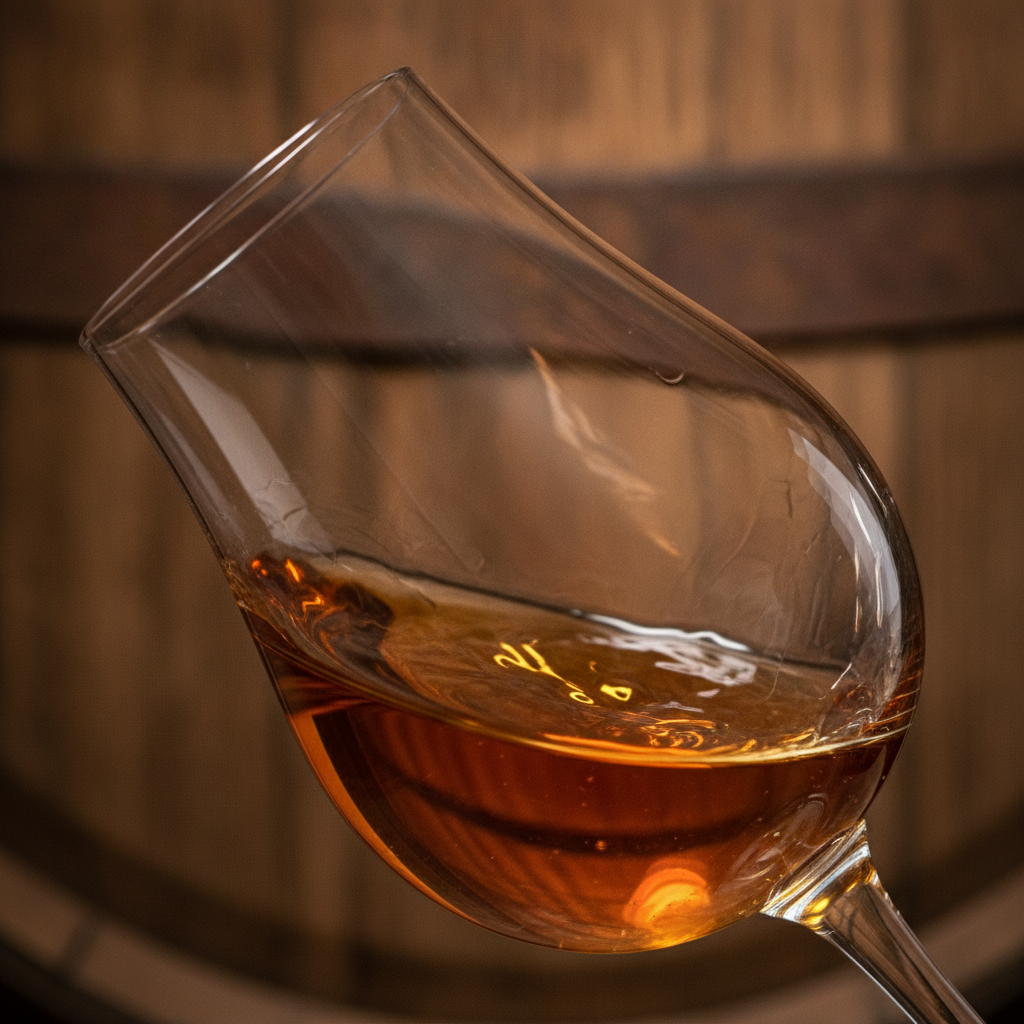
The core toolkit is simple: a Glencairn or copita glass, clean water, a dropper, and a notebook. Add neutral snacks and a tasting mat for groups. For buying and gifting in Canada, lean on a specialty retailer for delivery, special orders, curated gift baskets, and permits guidance.
- Glassware: Glencairn concentrates aroma; rocks glasses suit casual sessions. Aim for 2–4 identical glasses per taster to compare.
- Water & dropper: Room-temperature, low-mineral water maintains balance. A dropper controls dilution at cask strength.
- Notebook & mats: Record nose, palate, and finish; rank bottles 1–5 to create a purchase roadmap.
- Gifting kit: Add two glasses and dark chocolate to elevate a Scotch gift; keep total items to 3–5 for a clean presentation.
For broader luxury-gifting trends in 2026, see this perspective on curating premium collections; the same less-is-more approach applies to a refined Scotch basket.
Case Studies and Examples
Three real-world scenarios show how a specialty retailer can help in Canada: a curated Scotch gift basket, a special-order request for a limited release, and a tasting event with permits. Each example highlights delivery, product sourcing, and simple pairings that let the whisky shine.
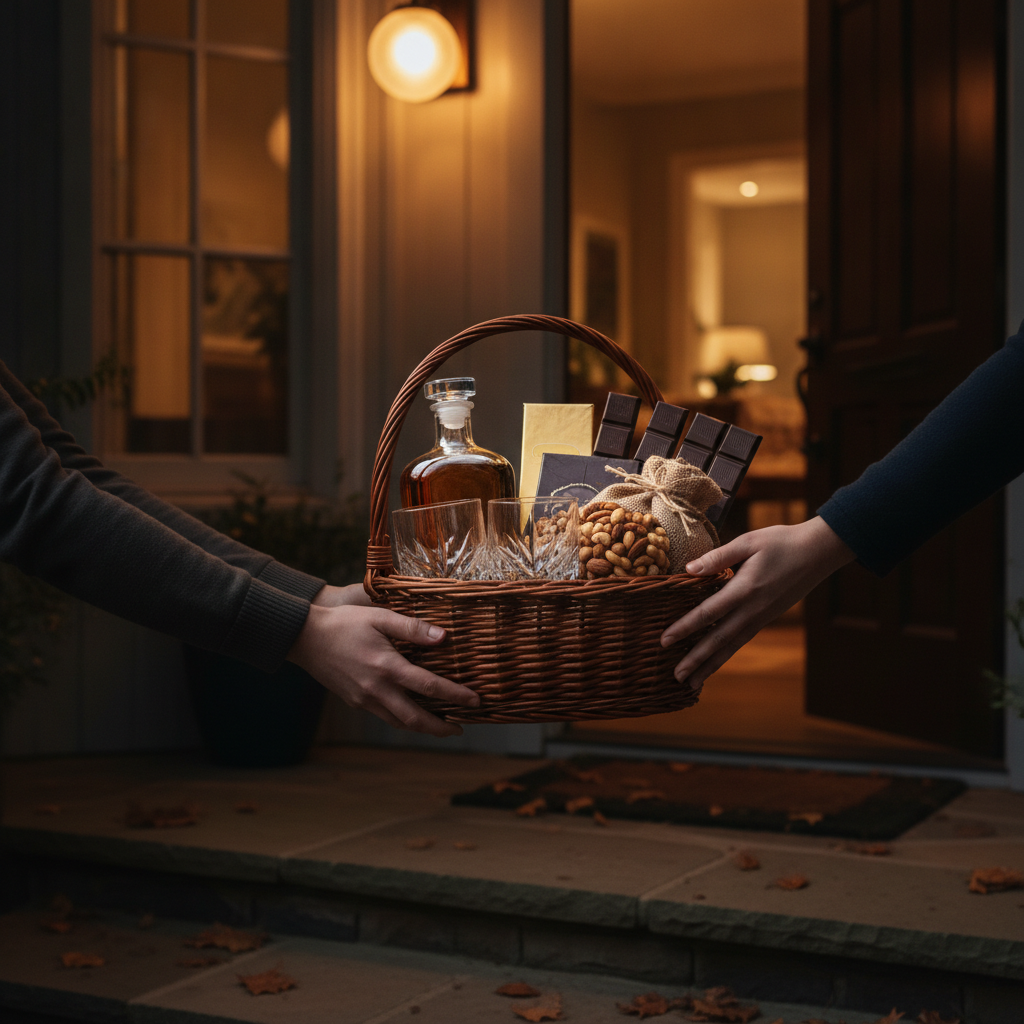
- Gift basket for a milestone: A customer centers the basket on a Speyside single malt, adds 70–85% dark chocolate and two glasses, and schedules delivery for a birthday evening. The result: a ready-to-sip experience.
- Special-order success: A collector requests a limited Islay. The retailer checks distributor inventories, confirms ETA, and updates the customer so they can plan a tasting night with friends.
- Permit-ready tasting: An organizer builds a 4-glass flight (unpeated, sherry-finished, lightly peated, and maritime). With permits approved and 1-oz pours, the event keeps compliance and enjoyment in balance.
In our experience, customers who pre-plan snacks (nuts, chocolate), water, and identical glassware report fewer palate-fatigue issues and better recall of favorite bottles later.
Build a beginner-friendly Scotch flight
- Start: classic Speyside at 40–43% ABV (vanilla, apple, honey).
- Second: sherry-finished malt (raisin, baking spice).
- Third: lightly peated coastal style (citrus, sea spray).
- Anchor: richer Islay or higher-ABV pour for contrast.
When you’re ready to explore bottles, consider fruit-forward options like Glenfiddich 12 (1.14L), balanced peat gateways like Bowmore 12, or coastal character in Kilchoman Machir Bay. For peat devotees, Lagavulin 16 remains a conversation piece.
Mid-article CTA: Plan your Scotch gift in Canada
Want a turnkey present? Build a basket around a signature Speyside or Islay malt and add two matching glasses. For compact formats, mini sizes like Glenfiddich 12 (375 ml) make smart samplers for learning without overcommitting.
Frequently Asked Questions
These quick answers cover definition, storage, water or ice, and single malt vs. blends. They’re designed for voice responses and AI citations—clear, accurate, and to the point.
What legally defines single malt Scotch whisky?
It’s whisky made in Scotland from 100% malted barley at a single distillery, distilled in copper pot stills, matured in oak in Scotland for at least three years, and bottled at 40% ABV or higher. Labels must follow protected terms.
Is single malt better than blended Scotch?
Neither is inherently better. Single malt highlights one distillery’s character, while blends aim for a consistent, balanced house style. Choose by flavor, occasion, and whether you enjoy exploring distillery-specific nuance.
How should I store single malt at home?
Keep bottles upright, away from sunlight and heat. Ensure the cap is tight. Once opened, enjoy within months for peak aroma; oxygen exposure gradually softens intensity over time.
Should I add water or ice to Scotch?
Add a few drops of room-temperature water to open aromas, especially with cask-strength whisky. Ice chills and can mute nuance; use it if you want a cooler, softer sip. There’s no wrong choice—follow your palate.
Conclusion and Next Steps
Single malt Scotch whisky is a protected barley-only style that rewards curiosity. Explore regions, compare cask programs, and use a trusted retailer for delivery, gift baskets, permits guidance, and special orders in Canada. Start with approachable classics, then branch into peat and finishes.
- Key takeaways:
- Single malt = one distillery, 100% malted barley, 3+ years in oak, 40%+ ABV.
- Flavor hinges on peat level, cask type, ABV, and distillery character.
- Tasting basics: proper glass, small pours, 2–5 drops of water at cask strength.
- Great gifts pair a bottle with two glasses and dark chocolate.
Next steps: Plan a three-bottle flight (bourbon-cask, sherry-finish, light peat), add neutral snacks, and explore styles that match your palate. For a fruit-forward classic, consider Glenfiddich 12; for a smoky anchor, shortlist Lagavulin 16.
Want a house-style Speyside benchmark? Review the well-known Glenlivet 12 profile. Prefer a 750 ml format? Compare Glenfiddich 12 (750 ml) options. And for luxury-curation ideas, see this roundup on premium collections.