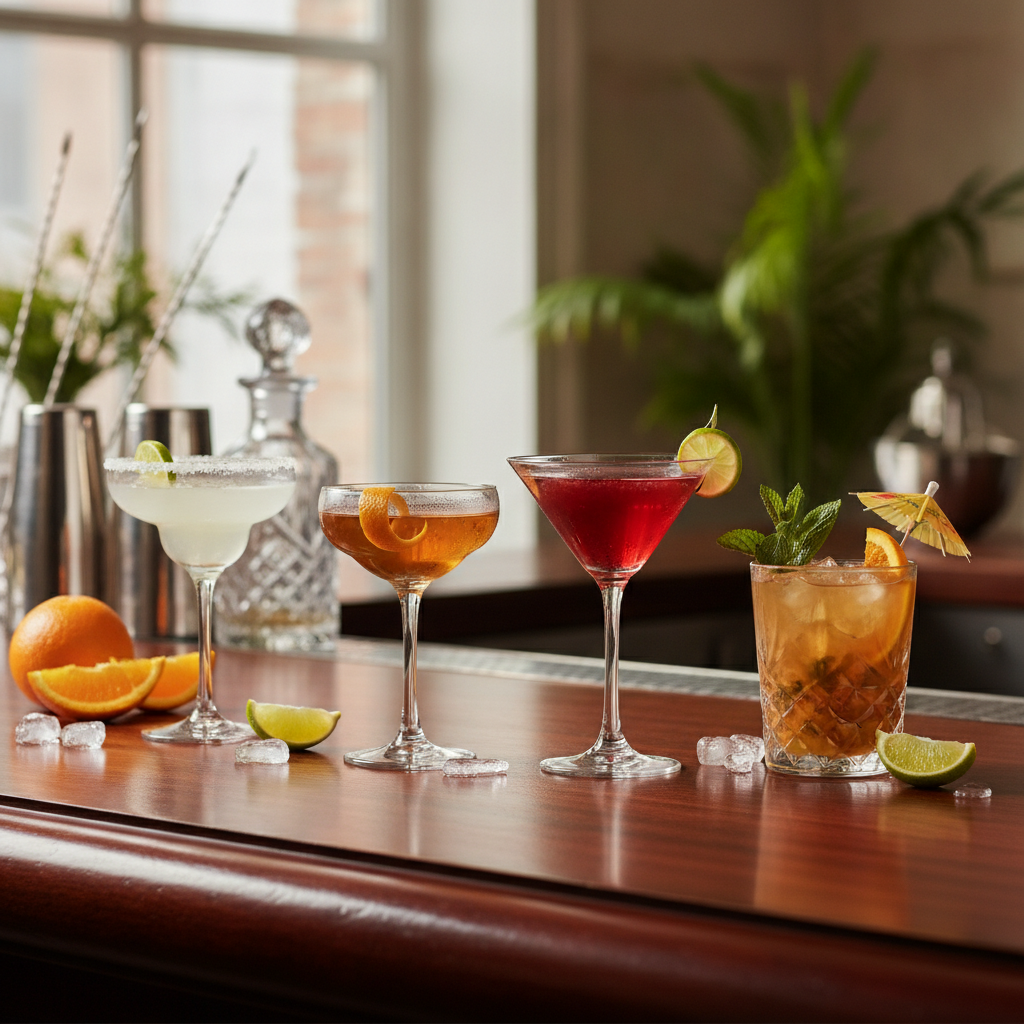
Orange liqueur cocktails are mixed drinks built around orange-flavored liqueurs like triple sec, Cointreau, and Grand Marnier. These bottles add citrus aroma, sweetness, and structure to classics like the Margarita and Sidecar. In the Yorkton area, Rayzr’s Cellar supports you with bottle selection, online ordering, and local delivery so you can craft them at home.
By Rayzr’s Cellar • Last updated: 2026-06-22
Overview: Orange Liqueur Cocktails at a Glance
Orange liqueur cocktails combine citrus liqueurs with base spirits, fresh juice, and precise dilution to create balanced, aromatic drinks. Mastering a 2:1:1 ratio (spirit:citrus:orange liqueur) covers most sours, including Margaritas and Sidecars. With quality ice, measured pours, and fresh garnish, home results match bar standards.
Here’s what this complete guide delivers so you can mix better drinks, faster—and enjoy them in your kitchen or at your next event.
- Clear definitions of triple sec, curaçao, Cointreau, and Grand Marnier
- Battle-tested ratios for Margaritas, Sidecars, and Mai Tais
- Simple techniques for shaking, stirring, batching, and garnishing
- Local tips for the Yorkton area and at-home hosting checklists
- Smart shopping via our cocktails section and convenient local delivery
What Is Orange Liqueur?
Orange liqueur is a sweet, orange-flavored spirit made by infusing or distilling citrus peels, then sweetening to taste. Styles range from dry triple sec (20–40% ABV) to richer curaçao and premium options like Cointreau and Grand Marnier (typically ~40% ABV). Each style shifts sweetness, bitterness, and aroma.
At its core, orange liqueur unites three levers: orange oil intensity, sweetness level, and alcohol strength. That trio explains why the same recipe tastes different when you swap bottles. Drier triple secs often lighten a drink; curaçaos add roundness; premium orange cognac liqueurs deepen texture.
Key styles you’ll see on shelves
- Triple sec: Drier profile; orange peel brightness; 20–40% ABV common.
- Curaçao: Often sweeter and rounder; can be colorless or blue; orange peel notes.
- Cointreau: A premium triple-sec-style liqueur at ~40% ABV; clean, intense orange.
- Grand Marnier: Orange liqueur blended with cognac; fuller body; ~40% ABV.
In our experience running tastings for shoppers, two bottles can both be “orange liqueur” yet behave differently in sours, spritzes, and tiki builds. This matters because sweetness and ABV change shake time, dilution, and even the size of your citrus pour.
Why Orange Liqueur Cocktails Matter
Orange liqueur bridges flavor gaps: it adds citrus aroma, soft sweetness, and alcohol, binding spirits and fresh juice into one seamless sip. It’s the backbone of Margaritas, Sidecars, Cosmopolitans, and Mai Tais—four of the world’s most ordered classics—because it balances tart, sweet, and strong.
Why does that matter at home? Because the fastest path to better cocktails is learning one anchor ingredient that raises your entire menu. With one good orange liqueur, you can pour:
- Agave sours: Margaritas with consistent citrus snap.
- Brandy sours: Sidecars with fine-structured sweetness and lift.
- Vodka sours: Cosmopolitans with bright orange aromatics.
- Tiki builds: Mai Tais with layered orange and almond complexity.
The result is practical: one bottle simplifies shopping, saves space, and keeps your bar flexible. For Yorkton hosts, our local delivery and special order support make stocking up simple when guest counts grow or preferences shift.
How Orange Liqueur Cocktails Work
Most orange liqueur sours balance a 2:1:1 template—two parts base spirit, one part citrus, one part orange liqueur—then adjust to taste. Proper ice, a 10–12 second hard shake, and fresh garnish complete the build. Richer liqueurs may need lighter syrup or extra citrus for balance.
Think in ratios, not rigid recipes. Once you dial the 2:1:1 template for your bottles and palate, you can riff endlessly. Here’s a practical process we teach shoppers who want repeatable results at home.
| Step | Action | Target | Tip |
|---|---|---|---|
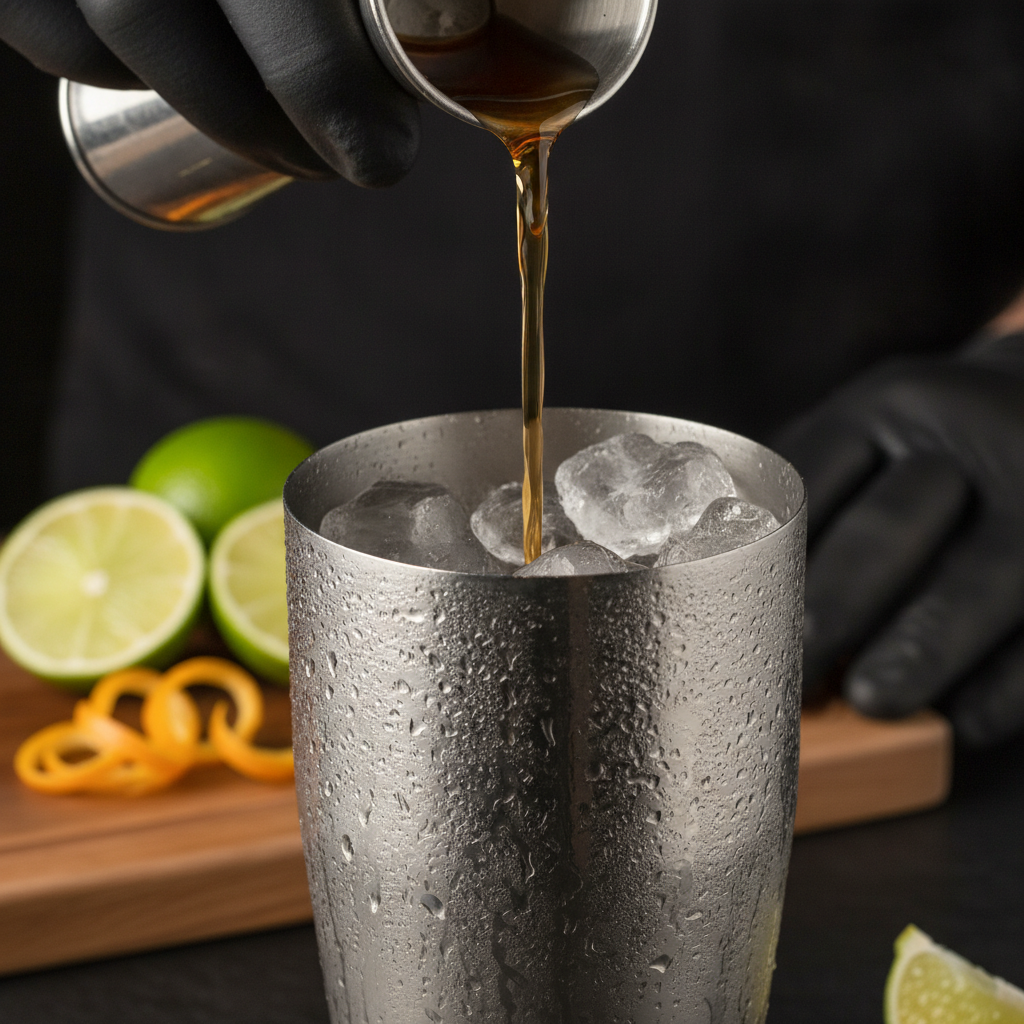
| 1 | Measure | Accurate 2:1:1 split | Use a jigger (1.5 oz / 0.75 oz sides are common). |
| 2 | Ice | Full shaker of cubes | Large, cold cubes reduce over-dilution. |
| 3 | Shake | 10–12 seconds | Hard shake until tin is frosty; you’re shooting for ~20–25% dilution. |
| 4 | Strain | Chilled glass | Double strain for pulp-free sours when desired. |
| 5 | Garnish | Expressed orange oils | Express a peel over the surface; oils boost aroma without extra sugar. |
For stirred drinks (like some spirit-forward riffs), aim for a silky 18–22% dilution and a chilled glass. When your liqueur is richer (like Grand Marnier), decrease any added simple syrup. When it’s drier, consider a touch more syrup or a slightly shorter shake.
Types, Methods, and Approaches
Choose a liqueur style that matches your base spirit and drink format: dry triple sec for crisp sours, Cointreau for precise citrus lift, curaçao for roundness, and Grand Marnier for depth. Then pick a method—shake, stir, build, or batch—based on dilution and texture goals.
Core bottle choices
- Dry triple sec: Ideal for crisp Margaritas and lighter spritzes.
- Cointreau: Great all-rounder for Sidecars and Cosmopolitans.
- Grand Marnier: Cognac-backed weight for spirit-forward riffs and richer sours.
- Curaçao: Adds rounded sweetness in tiki and tropical builds.
Signature orange liqueur cocktails
- Margarita (tequila, lime, orange liqueur): Salt rim optional; 2:1:1 is a reliable start.
- Sidecar (brandy, lemon, orange liqueur): Sugar rim balances lemon’s bite.
- Cosmopolitan (vodka, cranberry, lime, orange liqueur): Bright, clean citrus lift.
- Mai Tai (rum, lime, orange liqueur, orgeat): Layered tropical complexity.
Shopping and flavor pairing tips
- Match ABV to intensity: Higher ABV (around 40%) stands up in boozy builds.
- Use fresh citrus: 1 medium lime ≈ 1 oz juice; 1 lemon ≈ 1.25 oz.
- For vodka drinks, a citrus vodka like Smirnoff Orange Twist boosts orange character.
- Pair orange notes with honey wine (mead) in spritzes for a floral-citrus profile.
Quick comparison: which orange liqueur when?
| Liqueur | Sweetness | Typical ABV | Flavor Intensity | Best Uses |
|---|---|---|---|---|
| Triple sec | Dry–medium | 20–40% | Bright peel, light body | Crisp Margaritas, highballs, spritzes |
| Cointreau | Medium | ~40% | Clean, precise citrus | Cosmopolitan, Sidecar, elegant sours |
| Curaçao | Medium–sweet | 20–40% | Round, soft orange | Tiki builds, Mai Tai variants |
| Grand Marnier | Medium | ~40% | Orange + cognac depth | Spirit-forward riffs, richer sours |
Best Practices for Home Bartenders
Use a jigger for accuracy, fresh citrus for brightness, and large ice for controlled dilution. Shake hard for 10–12 seconds, taste before pouring, and adjust salt rims, sugar, or bitters as final dials. For parties, batch with back-sweetening and chill to avoid over-dilution.
Execution that raises your average
- Measure everything: A standard double-sided jigger (1.5 oz / 0.75 oz) keeps ratios consistent.
- Ice matters: Bigger cubes melt slower; cloudy small cubes over-dilute fast.
- Shake timing: 10–12 seconds creates chilled, integrated sours; stop when the tin frosts.
- Season to finish: A pinch of salt, a sugar rim, or a citrus oil spritz tightens flavors.
Batching for stress-free hosting
- Pre-dilute to 20–25%: Stir your batch with ice, then strain into a bottle and chill.
- Add citrus day-of: Fresh juice preserves brightness; add just before serving.
- Garnish station: Prepare peels, wheels, and salt/sugar for quick assembly.
- Back-sweeten: If a test pour tastes too sharp, add small amounts of orange liqueur.
Local considerations for your area
- For Yorkton gatherings, plan delivery windows so your ice and chilled mixers arrive close to serving time.
- Long winter nights favor richer styles; consider Grand Marnier riffs and warmer garnishes like expressed peels.
- Organizing a community event? Rayzr’s Cellar can support Special Occasion Permits guidance and product sourcing.
Tools and Resources
A reliable jigger, shaker, fine strainer, bar spoon, peeler, and quality ice trays cover 95% of orange liqueur cocktails. Keep fresh limes and lemons, simple syrup, and salt/sugar on hand. For convenience, stock mixers and citrus in advance and organize a small garnish kit.
Stock your home bar with flexible, high-utility gear and a few crowd-pleasing bottles. When you’re short on time, ready-to-serve options also help you host without stress.
- Barware: Cobbler or Boston shaker, Hawthorne and fine strainers, jigger, mixing glass, citrus press.
- Core bottles: Orange liqueur, tequila, brandy, vodka, and a versatile rum for tiki builds.
- Garnish kit: Peeler for wide orange peels; citrus wheels; kosher salt; superfine sugar.
- Mixers: Fresh lime and lemon, cranberry, orgeat for Mai Tais, soda for spritzes.
- Time-crunched? Consider ready-to-drink cocktails as a backup for larger groups.
- Prefer gin-forward sours? Explore Mediterranean styles like Larios gin with orange-friendly botanicals.
- Hosting variety? Our Dillon’s cocktails variety pack keeps options easy for mixed tastes.
Need a hand stocking up? Build your menu in our cocktails section, peek at our rotating feature cocktail, and use local delivery. Special order products and gift baskets help customize any gathering.
Case Studies and Real-World Examples
Small tweaks in bottle choice and ratios transform results. A drier triple sec sharpens Margaritas; Grand Marnier enriches Sidecars; curaçao rounds a Mai Tai. Batching at 20–25% dilution, adding fresh juice day-of, and setting a garnish station remove most hosting stress.
Weeknight Margarita, two ways
- Crisp version: Blanco tequila + lime + dry triple sec; light salt rim; fast hard shake.
- Rounded version: Reposado tequila + lime + Cointreau; partial salt rim; slightly longer shake for texture.
Comfort-forward Sidecar
- Structure: Cognac or good brandy + lemon + Grand Marnier; sugar rim optional.
- Adjustment: If too rich, shorten the shake and add a drop of simple; if too sharp, back-sweeten with a touch more orange liqueur.
Low-effort crowd-pleaser
- Cosmo service: Vodka, cranberry, lime, and Cointreau batched; chill and pour into coupes on demand.
- Variation: Stir a spirit-forward Cosmo riff with orange bitters for colder months.
Yorkton game-day kit
- Prep: Batch Margaritas to 22% dilution, store in the fridge, and set out lime wedges, orange peels, and salt.
- Serve: Keep a cooler of large-format cubes and a simple garnish tray for fast service.
Bonus riff with house favorites
- Tequila Sunrise—orange liqueur twist: Add a half-ounce of orange liqueur to your build from our Tequila Sunrise recipe for extra citrus perfume.
Best Bottles by Occasion
For crisp sours and spritzes, pick a dry triple sec. For all-purpose mixing, Cointreau is precise and versatile. For richer, colder-weather drinks, Grand Marnier adds depth. Curaçao suits tiki builds and Mai Tais when you want rounded sweetness and color options.
- Weeknight sour: A reliable triple sec simplifies Margaritas and Kamikazes.
- Entertaining classicists: Cointreau keeps Sidecars and Cosmos bright yet refined.
- Cold-weather comfort: Grand Marnier or cognac-based orange liqueur provides warm texture.
- Tiki nights: Curaçao dovetails with orgeat and aged rum in Mai Tais.
- After-dinner pairing: Try an espresso-adjacent pairing with espresso liqueur and an orange twist.
Common Mistakes and Fast Fixes
Over-dilution, old citrus, and heavy hands with sugar are the big three. Use larger ice, fresh juice, and a jigger. If a drink is flabby, add a pinch of salt and extra citrus; if it’s too sharp, back-sweeten with a touch more orange liqueur.
- Watery drinks: Shorten shake time; switch to colder, larger cubes; pre-chill glassware.
- Dull citrus: Juice same-day; keep limes and lemons refrigerated until use.
- Unbalanced sweet-tart: Nudge citrus or liqueur by 0.25 oz at a time.
- Flat aroma: Express a wide orange peel over the surface just before serving.
Tools You Already Own (and How to Use Them)
A mixing glass or mason jar, a simple mesh strainer, and a kitchen peeler cover core tasks. Add a measuring cup for rough ratios, then upgrade to a jigger and shaker set. The key is repeatability—consistent measures and cold ice beat fancy gear every time.
- Mason jar shaker: Tight lid, a handful of large cubes, and a firm 12-second shake.
- Measuring cup: 2 oz lines map neatly to the 2:1:1 template for sours.
- Vegetable peeler: Wide peels deliver fragrant oil without pithy bitterness.
Hosting with Rayzr’s Cellar: Delivery, Baskets, and Permits
For Yorkton hosts, Rayzr’s Cellar simplifies parties: local delivery for timing, custom gift baskets for presentation, and guidance on Special Occasion Permits and special orders. Plan your menu, schedule delivery near service time, and keep a backup of RTDs for late arrivals.
- Local delivery: Align your drop-off with your first pour for colder ice and brighter citrus.
- Custom gift baskets: Curate a Margarita or Sidecar kit as a welcome gift or raffle prize.
- Special orders: Ask us to source specific orange liqueurs or bar tools for your theme.
- Permits help: We offer support around Special Occasion Permits for community events.
Frequently Asked Questions
Orange liqueur cocktails thrive on balance. Use a 2:1:1 template, fresh juice, and hard shaking for sours; stir spirit-forward riffs. Choose triple sec for crisp drinks, Cointreau for precision, and Grand Marnier for richness. Batch ahead for groups and garnish with expressed peels.
What’s the easiest orange liqueur cocktail to start with?
A classic Margarita. Use a 2:1:1 split of tequila, lime juice, and orange liqueur. Shake hard with plenty of ice, strain into a chilled glass, and garnish with a lime wheel. Adjust lime or liqueur by a quarter ounce if you want it sharper or rounder.
How do I choose between triple sec, Cointreau, and Grand Marnier?
Pick triple sec for crisp, lighter drinks; Cointreau for clean, precise citrus in most sours; and Grand Marnier for cognac-backed richness. If you’re unsure, start with Cointreau—it’s versatile and works well in Margaritas, Sidecars, and Cosmopolitans.
Can I batch orange liqueur cocktails for a party?
Yes. Stir your batch with ice to about 20–25% dilution, strain into a bottle, and chill. Add citrus the day you serve. Keep a garnish station with orange peels, lime wedges, and salt or sugar for quick finishing touches.
Do I need special equipment to make bar-quality drinks?
Not at first. A mason jar, mesh strainer, and peeler handle the basics. Upgrade to a jigger and shaker when you can—the real difference comes from consistent measurements, cold ice, and fresh citrus.
Conclusion and Next Steps
Focus on one reliable orange liqueur, master the 2:1:1 sour template, and control dilution. With fresh citrus, measured pours, and smart batching, you’ll serve bar-quality drinks at home. Rayzr’s Cellar helps with delivery, special orders, and event-friendly gift baskets.
- Key takeaways: Measure, shake 10–12 seconds, use fresh citrus, express peels.
- Choose bottles by use: Dry triple sec for crisp; Cointreau for all-purpose; Grand Marnier for depth.
- Host smarter: Pre-dilute batches, add citrus day-of, and set a garnish station.
- Local help: Lean on our delivery, gift baskets, and permit guidance.
Explore Next: Drinks and Guides
If you enjoyed this guide, browse our evolving cocktails collection, check the current feature cocktail, and try citrus-friendly gins via a curated variety pack. Curious about floral pairings? Explore mead (honey wine) spritzes with orange peels for a bright, modern serve.