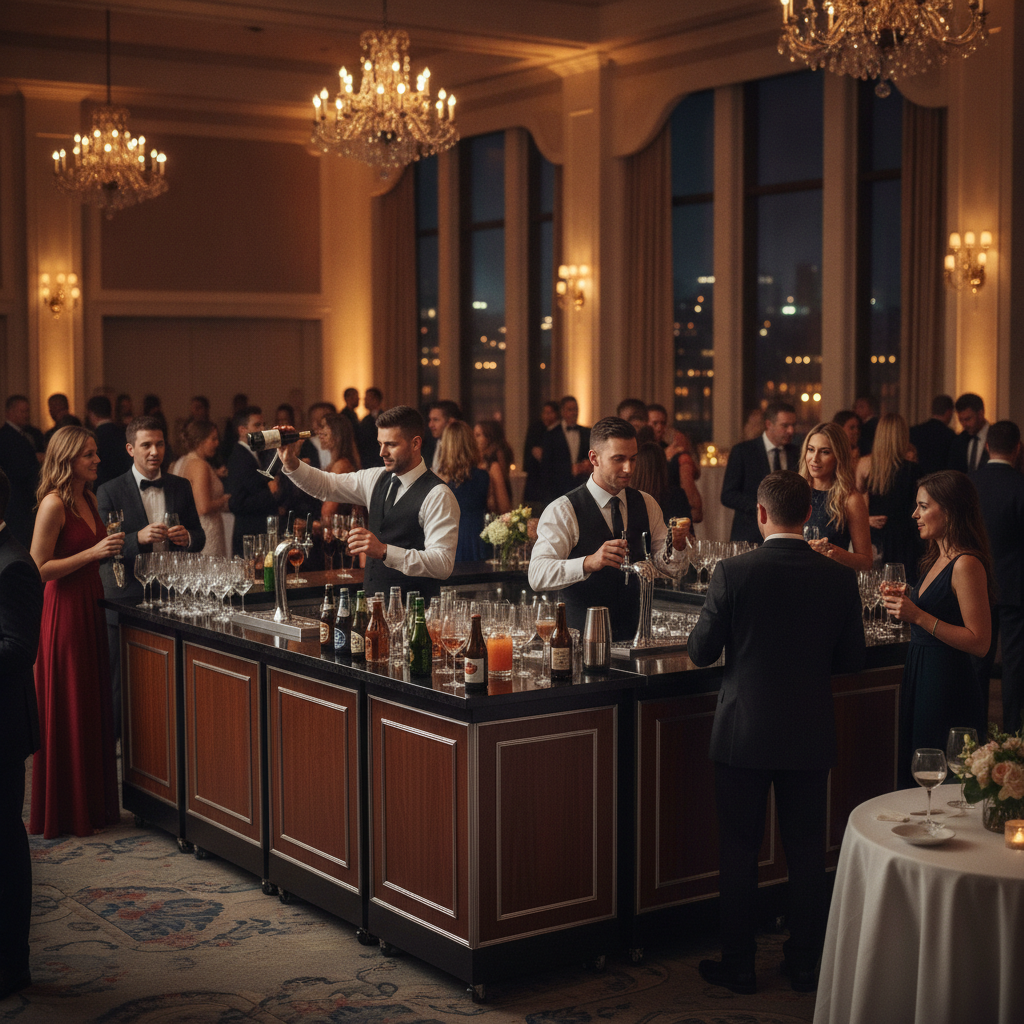
A liquor license for a special event (often called a Special Occasion Permit) is a temporary authorization to serve or sell alcohol at a defined date, time, and venue in Canada. It covers beer, wine, ciders/coolers, and hard liquor when allowed, and it requires age verification, responsible service, and on-site documentation to keep your gathering lawful and safe.
By Prince Arora — Rayzr’s Cellar
Last updated: 2026-06-23
Above-Fold Section (Hook + TOC)
Use this guide to secure your special-event liquor permit without headaches. You’ll get definitions, timelines, application steps, and compliance checklists. Follow our templates and you can plan beverages, staff roles, and service windows with confidence—so your event runs smoothly, legally, and on schedule.
Planning an event with alcohol doesn’t have to be stressful. With the right plan, you’ll submit a clean application, set clear bar rules, and avoid last-minute scrambles on event day.
- What a special-event liquor authorization is and when you need it
- Why permits matter for safety, insurance, and venues
- Step-by-step application flow across Canada
- Permit types, serving models, and example menus
- Compliance best practices and bartender playbooks
- Tools, checklists, and real-world scenarios
Quick Summary
A special-event liquor license authorizes alcohol service for a single event in Canada. Apply early, confirm your event type, and prepare ID, venue approval, and staffing plans. Keep the permit on-site, train staff on age checks and measured pours, and log incidents to remain compliant throughout service.
Here’s the short version many organizers want first:
- Permit basics: One-time permission tied to a specific date, time, and place.
- Coverage: Beer, wine, ciders/coolers, and—when permitted—hard liquor (spirits).
- Core controls: Legal-age checks, no service to intoxicated guests, service cutoffs.
- Paperwork: Keep permit, conditions, staff list, and incident log on-site.
- Lead time: Aim for 2–4 weeks before your event to reduce processing risk.
Local considerations for your area
- Confirm whether your event type allows spirits; some categories limit hard liquor to tastings or measured pours in Canada.
- Seasonal peaks increase processing time around summer festivals and holidays—apply earlier than usual.
- Outdoor events often need added controls (wristbands, fencing, water stations); plan staffing and signage accordingly.
What Is a Special-Event Liquor License?
A special-event liquor license—also known as a Special Occasion Permit—lets you legally serve or sell alcohol at a specific event in Canada. It’s time-bound and location-specific, and it requires age checks, responsible service, and on-site documentation throughout the event.
Think of it as a focused, one-day (or one-run) permission slip. Your authorization is tied to your event’s date, hours, and venue. Alcohol categories commonly covered include beer, wine, ciders or coolers, and—if permitted—spirits. You must follow the stated conditions to remain compliant.
- Temporary by design: Valid only for the dates and service windows you apply for.
- Event-specific: Applies to your defined venue and floor plan.
- Conditions-driven: Requires ID checks, refusal of service to intoxicated guests, and proper storage.
- Documentation: Keep your permit, conditions sheet, and staff list accessible on-site.
Where Rayzr’s Cellar helps: beverage planning (wine, beer, ciders/coolers, and spirits), cocktail ideas, measured-pour bar tools via ready-to-serve SKUs, and convenient local delivery. If you want a focused spirits list—say gin-forward—browse the gin selection and build around easy, balanced signatures.
Why Special-Event Permits Matter
Permits align your event with public-safety rules, insurer expectations, and venue requirements. They designate a responsible organizer, require age verification and measured pours, and ensure you have documentation ready if inspectors or venue managers request it.
Permits are more than forms—they’re your operating framework. Without a clearly defined service plan, it’s easy to overpour, miss ID checks, or run past the cutoff. Clear rules reduce lineups, improve guest safety, and keep your insurer and venue confident in your controls.
- Safety: Wristbands for legal-age guests and refusal protocols prevent underage and over-service.
- Accountability: Staff briefings make it obvious who checks ID, who pours, and who logs incidents.
- Venue/insurer confidence: A visible permit, conditions sheet, and incident log signal readiness.
- Service quality: Measured pours produce consistent cocktails and fair lines.
In our experience, a simple, limited menu (for example, one sparkling, one white, one red, and a single signature) moves guests faster and steadies pours. For pre-mixed speed, consider streamlined options such as Canadian Club & Ginger or a versatile Smirnoff party pack to reduce bar prep.
How the Application Works in Canada
Across Canada, alcohol service is regulated at the provincial level. Identify your event type, prepare ID and venue approval, submit a complete application early, and keep your permit and conditions on-site. Train staff on ID checks, refusal protocols, and measured pours before service begins.
Although each province or territory has its own portal and forms, the structure is similar. You’ll declare your event category, service times, and whether alcohol is sold or hosted. Expect to provide proof that you control the venue during service windows and can manage staffing, storage, and safety.
- Define event type: Private, public, fundraiser, tasting, or festival.
- Choose service windows: Set clear start/stop times; add a last-call buffer.
- Confirm the venue: Permission, layout, bar placement, entry and exit routes.
- Prepare materials: Government ID, staffing plan, security/first-aid (if required).
- Submit early: Aim 2–4 weeks ahead to avoid peak-season backlogs.
- Brief your team: ID scripts, refusal steps, and who owns the incident log.
- Post approvals: Keep the permit visible and conditions at the bar.
For organizers who want a quick reference, bookmark this general licensing and permits checklist and this overview of permits by government level to understand how provincial rules fit within the broader permitting landscape.
| Phase | Focus | Outputs |
|---|---|---|
| 4–6 weeks out | Concept & venue | Event type, floor plan draft, staffing needs |
| 2–4 weeks out | Application & suppliers | Submitted application, delivery schedule, menu draft |
| 1 week out | Training & signage | ID scripts, refusal flow, posted rules, incident log |
| Event day | Execution & compliance | Permit on-site, measured pours, logs maintained |
Need spirits for signatures but want to keep it simple? Pre-batch a citrus-forward highball and stock a small back bar anchored by gin or liqueurs. Our rotating feature cocktail ideas show how to scale flavors without slowing service.
Types, Methods, and Serving Models
Special-event permits generally classify events (private, public, charity, tasting, or festival) and allow specific serving models (hosted bars, cash bars, drink tickets, or controlled tastings). Your model determines who pays, pour sizes, and the documentation you’ll maintain.
Choosing a model affects staffing, speed, and oversight. A hosted bar with a tight menu is fast and friendly. A ticketed bar improves accountability but requires redemption tracking. Tastings highlight variety and work well with measured-pour tools.
- Private function (invited guests): Common for receptions; hosted service is typical.
- Public/charity event: Often ticketed; clear signage and wristbands help control service.
- Tasting/sampling: Pre-measured pours; ideal for spirits or liqueurs exploration.
- Beer/wine-only vs full bar: Set expectations early; full bars require tighter controls.
- Drink tickets: Speeds cashouts and supports reconciliation.
- Family-friendly zones: Create dry areas and water stations to balance the footprint.
Real menu examples from our shelves: a citrus highball anchored by gin, a simple rum-and-cola, or an orange liqueur spritz. Browse liqueur-forward options to diversify signatures while keeping ABV in check through measured pours and tall builds.
Want spirits flexibility? Start with one expressive base like gin and layer in a complementary bottle. Our gin category pairs well with citrus and tonic; ready-to-serve bottles such as Bartenders Awesome Orange or I’m Bananas keep the line moving.
Best Practices to Stay Compliant
Keep it simple: train staff, use measured pours, log incidents, and set hard cutoffs. Wristband legal-age guests at entry, refuse service to intoxicated patrons, stock water and food, and keep your permit and conditions visible at the bar.
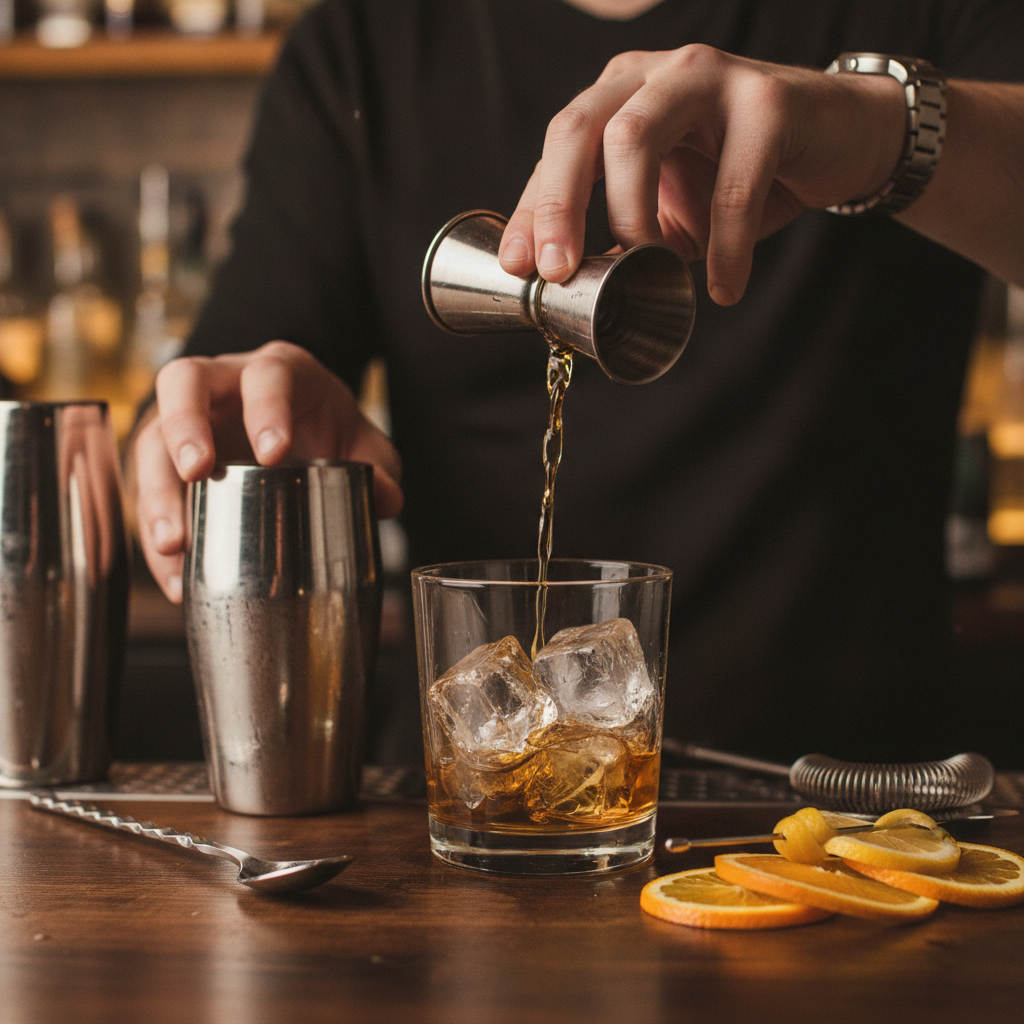
Compliance is about small, repeatable behaviors. Bartenders using jiggers deliver consistency and reduce overpour risk. An incident log and clear roles make audits or spot checks straightforward. Late in the evening, simplify service—switch from shaken signatures to a short list of tall pours.
- Age verification: Wristband eligible guests; re-check if uncertain.
- Measured pours: Use a jigger and standard recipes to avoid variability.
- Hydration and food: Provide water stations and snacks to slow consumption.
- Storage and security: Lock spirits when not in use; limit access to keys.
- Cutoffs and last call: Announce and enforce time-bound rules.
- Logs and cashouts: Reconcile tickets and maintain a simple incident register.
For fast service with balanced ABV, consider a ready-to-serve highball or cooler. A handy example is the Spiced Apple Bourbon Sour—it offers consistent pours and a seasonal flavor profile guests recognize.
Permit model comparison
| Model | Speed | Oversight | Ideal Use |
|---|---|---|---|
| Hosted bar | Fast | Moderate | Private receptions with simple menus |
| Ticketed bar | Moderate | High | Public/charity events, easy reconciliation |
| Cash bar | Moderate | High | Where allowed; reduces hosted volume |
| Tasting | Controlled | Very high | Education-forward spirits or wine events |
Tools, Templates, and Resources
Use a run-of-show, staffing grid, ID scripts, refusal flowcharts, and measured-pour recipes. Keep your permit, conditions, incident log, and supplier confirmations in a single printed packet and a digital folder accessible to your on-site lead.
Organizing your materials reduces questions and speeds service. Print your bar menu, house rules, and emergency contacts for quick reference. A cashless flow (where permitted) shortens lines and simplifies reconciliation for ticketed or hosted models.
- Run-of-show timeline and staffing grid
- ID check script and refusal protocol
- Incident register and drink-ticket ledger
- Bar sanitation and spill kit checklist
- Supplier list and delivery confirmations
Bookmark Rayzr’s Cellar Special Occasion Permits hub for planning guidance, and browse our cocktail ideas to shape a concise, crowd-pleasing menu. When you’re building a spirits list for hard liquor signatures, start with one expressive base spirit and one versatile modifier to keep service efficient.
Case Studies and Examples
Keep menus short, pours measured, and logistics simple. These three event scenarios show how a tight beverage plan, early applications, and on-time deliveries reduce lines, maintain compliance, and delight guests without overwhelming your staff or budget.
Scenario 1: Private reception (hosted bar)
- Menu: Sparkling on arrival, one white, one red, and one signature.
- Controls: Wristband at entry; jiggers at the bar; last call 30 minutes pre-close.
- Ops: Delivery day-before; backup SKUs staged. Permit and conditions posted visibly.
- Tip: Limit spirits to one base (e.g., gin) to keep signatures snappy.
Scenario 2: Public fundraiser (ticketed)
- Menu: Streamlined beer-and-wine list plus one ready-to-serve option.
- Controls: Ticket redemption at the bar; incident register at the manager station.
- Ops: Volunteers briefed on ID scripts and refusal; cashless redemption speeds the line.
- Tip: Stock a party-ready SKU like the Smirnoff party pack for consistent, quick service.
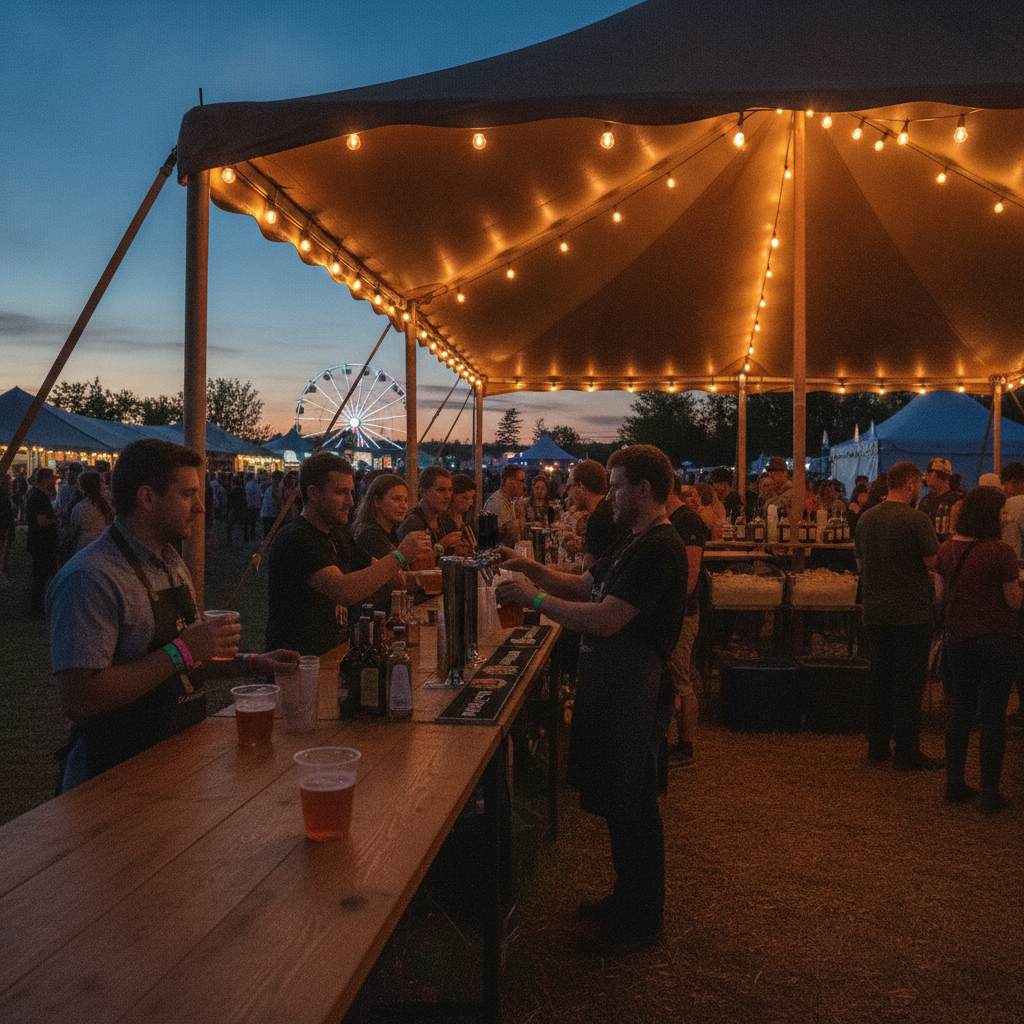
Scenario 3: Outdoor tasting tent (controlled sampling)
- Menu: Pre-measured pours of a gin flight and an orange-liqueur spritz sample.
- Controls: Posted pour sizes; water stations; storage locks for spirits.
- Ops: Wristbands at entry; sample redemption per guest; logs maintained.
- Tip: Keep modifiers simple with bottles like Awesome Orange to standardize flavor and speed.
Frequently Asked Questions
Most organizers ask about when permits are required, how early to apply, what spirits are allowed, whether tickets are permitted, and what documents must be on-site. Here are clear, direct answers you can act on today.
When do I need a liquor license for a special event?
You need authorization when alcohol is served or sold at an event space where the public may attend or where sale occurs. Invitation-only gatherings without sale can follow different rules. Confirm your event type with your provincial authority before finalizing plans.
How far in advance should I apply?
Apply as early as possible—ideally 2–4 weeks before your date—to allow processing time and any follow-ups. Peak seasons like summer festivals and holidays can extend timelines, so plan additional buffer time.
Can I serve hard liquor under a special-event permit?
Often yes, provided your permit authorizes spirits and you follow conditions such as measured pours, secure storage, and service cutoffs. Some event categories restrict spirits or limit them to tastings, so check your permit specifics.
Are drink tickets allowed for fundraising events?
Many regulators allow drink tickets under specific rules, such as one-time redemption and proper logging. If you use tickets, keep a ledger, reconcile counts at cashout, and display clear house rules at the bar.
What documents must be on-site during service?
Keep your permit, any conditions sheet, staff list and roles, incident log, drink ticket ledger (if used), and supplier invoices or delivery confirmations. Post critical rules where staff can see them.
Conclusion and Next Steps
Apply early, keep menus tight, and standardize pours. Post your permit and rules, log incidents, and simplify late-night service. With clear roles and on-time deliveries, your special-event bar will run smoothly, safely, and in full compliance.
- Key Takeaways: One-time authorization, early application, measured pours, on-site documentation, and clear staff roles.
- Action steps today: Draft your menu, prepare ID scripts, and schedule deliveries for the day before.
- Rayzr’s Cellar can help: Plan selections across wine, beer, ciders/coolers, and spirits; leverage cocktail templates; and browse party-friendly SKUs like Smirnoff packs.
Soft CTA
- Explore our cocktail hub and spirit categories for streamlined menus.
- Use our Special Occasion Permits page to organize your checklist.
- Schedule local delivery and note event details in your online order for smooth handoff.