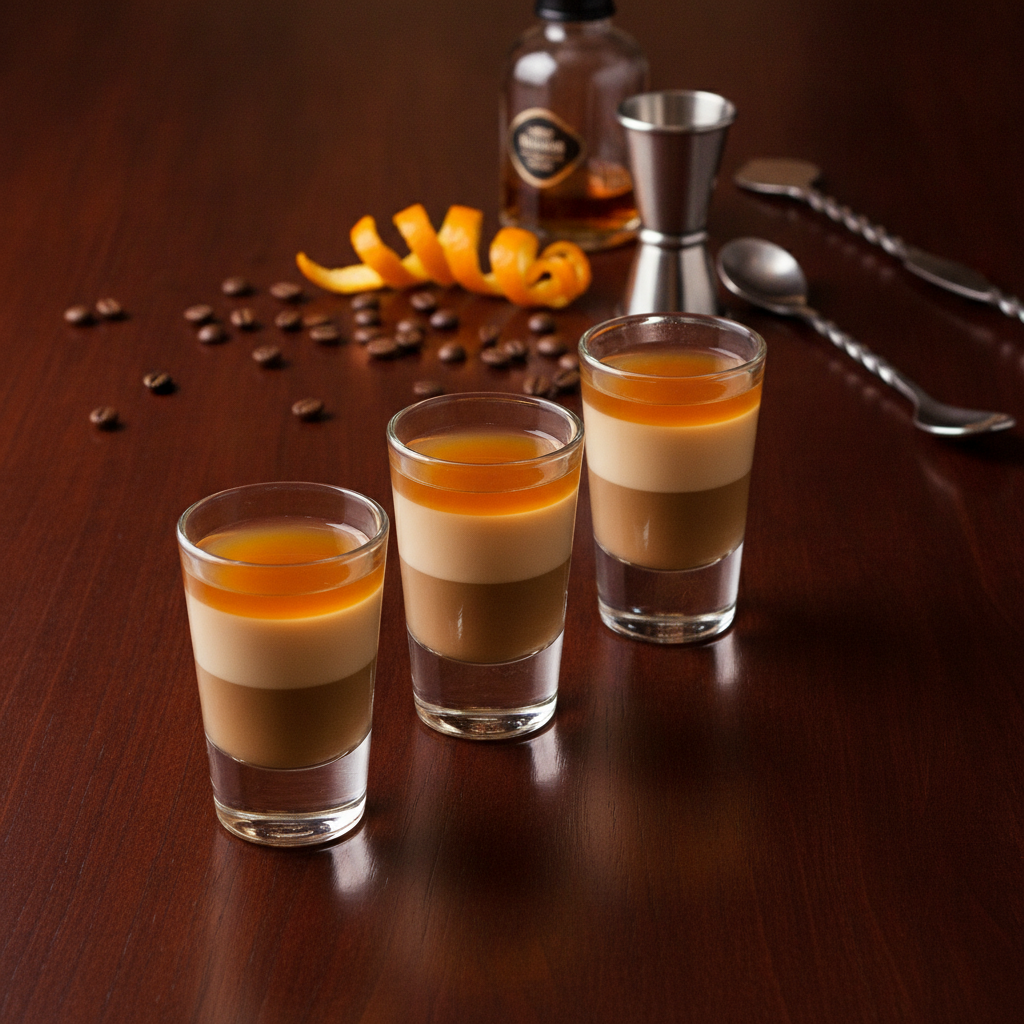
The b 52 drink recipe is a layered shot built with equal parts coffee liqueur, Irish cream, and orange liqueur poured in density order. The classic 1.5-ounce build stacks dark, cream, and amber bands in a cordial glass. In Canada, you’ll find everything you need at Rayzr’s Cellar to mix, gift, and serve it responsibly.
By Rayzr’s Cellar • Last updated: 2026-06-27
Quick overview
A B-52 is a three-layer shot: coffee liqueur on the bottom, Irish cream in the middle, and orange liqueur on top. Use a bar spoon to float each 0.5-ounce layer in a 1.5-ounce shot glass. Pour slowly to keep the stripes crisp, and serve immediately while the layers are distinct.
This guide shows you how to layer cleanly, choose the right liqueurs, and serve B‑52 shots at home or events. You’ll also see variations, tools, and party tips—plus how Rayzr’s Cellar supports delivery, custom gift baskets, special orders, and Special Occasion Permits across Canada.
- Exact method for perfect layers (no muddled lines)
- Ingredient picks, substitutions, and taste notes
- Flaming variation safety (when and how—not why not)
- Batching for parties, storage, and service timing
- Event planning insights tied to permits and supplies
What is the B‑52 cocktail?
The B‑52 cocktail is a layered shot made from equal parts coffee liqueur, Irish cream, and orange liqueur. Its appeal is the visual “tricolor” and a dessert-like flavor. Proper density order—coffee first, cream second, orange liqueur last—keeps bands distinct without tools beyond a spoon and steady pour.
Think of the B‑52 as a quick, sweet sipper with café and citrus notes. It pours into a narrow shot or small cordial glass in three 0.5‑ounce layers. The drink typically measures 1.5 ounces total, and most home bartenders can stack it in under a minute with basic technique.
- Bottom (0.5 oz): coffee liqueur brings bittersweet cocoa and vanilla tones.
- Middle (0.5 oz): Irish cream softens texture with dairy richness.
- Top (0.5 oz): orange liqueur adds bright orange oil, warmth, and lift.
At Rayzr’s Cellar, we stock the liqueurs you need and offer ideas to adapt this classic for flavor preferences or dietary needs. If you prefer ready-to-pour convenience, our selection of ready-to-drink cocktails can round out your party tray alongside fresh B‑52s.
Why this tiny classic still matters
The B‑52 remains popular because it’s showy, fast to make, and easy to standardize for events. Clean stripes signal skill, while the equal‑parts formula simplifies batching. For hosts, it’s a reliable crowd‑pleaser with familiar flavors and an eye‑catching look in photos and at the bar.
Layered shots are mini performance pieces. Guests watch the glass fill from dark to cream to amber, and the stripes hold long enough for pictures. The B‑52’s equal‑parts ratio also cuts waste: you can count bottles by shots served. Most shot glasses hold 1.5 ounces, so three 0.5‑ounce pours fit perfectly.
- Visual payoff: distinct layers boost perceived quality and presentation.
- Predictable build: equal parts help new mixologists scale consistently.
- Menu anchor: serves as a baseline for other layered recipes and shooter flights.
- Event-friendly: quick to assemble in service bursts of 6–12 glasses.
If you’re planning a tasting flight, pair B‑52s with citrusy spritzers or a balanced RTD. Our curated coolers and spritz packs, like this sparkling variety pack, give guests an easy palate reset between richer sips.
How layering works (and how to do it flawlessly)
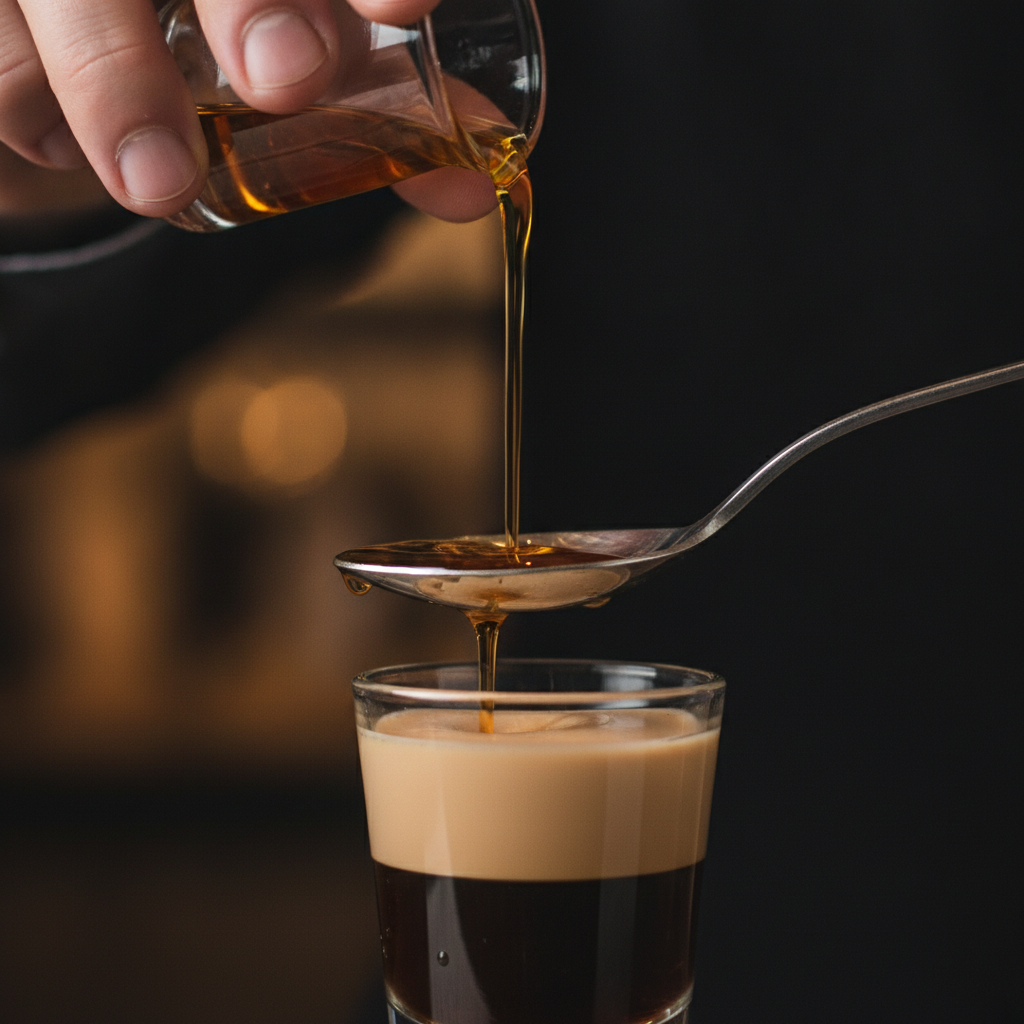
Layering relies on liquid density and careful pouring. Heavier liqueurs settle first; lighter ones float. Hold a bar spoon just above the previous layer, then trickle the next liqueur down the back of the spoon. Aim for a 10–12 second pour per 0.5 ounce to maintain crisp separation.
Density is simply mass per volume; more sugar and lower alcohol generally mean heavier. Coffee liqueur tends to be densest, Irish cream is moderate, and orange liqueur is lighter, so the order builds itself if you pour slowly. Cold bottles and clean, dry glassware help lines stay razor‑sharp.
- Chill bottles and glass: 10–15 minutes in the fridge improves separation.
- Start with coffee liqueur: pour 0.5 oz directly into the glass.
- Float Irish cream: place the spoon’s back against the glass just above the coffee layer; pour gently for 10–12 seconds.
- Finish with orange liqueur: repeat the spoon technique; aim for another 10–12 seconds.
- Serve immediately: layers hold best for the first 5–10 minutes.
Practice note: if lines blur, you’re likely pouring too fast or starting too high above the layer. Lower the spoon, slow the stream, and keep bottles chilled. For a first try, expect a two‑minute build including prep and wipe‑downs; you’ll cut that time in half with repetition.
The b 52 drink recipe (exact build, tools, and variations)
Build a B‑52 in a chilled 1.5‑ounce shot glass: 0.5 oz coffee liqueur, 0.5 oz Irish cream, 0.5 oz orange liqueur. Use a bar spoon to float each layer slowly. Optional: flame the top with extreme care. Serve immediately, or batch components for rapid service during events.
Ingredients
- 0.5 oz coffee liqueur
- 0.5 oz Irish cream
- 0.5 oz orange liqueur (triple sec, Curaçao, or orange cognac liqueur)
- Ice for chilling bottles/glass (optional)
Tools
- Narrow shot or cordial glass (1.5 oz / ~45 mL)
- Bar spoon (or teaspoon)
- Jigger (0.5 oz and 1 oz measures)
- Lighter or long match for flaming version (optional and advanced)
Steps
- Chill glass and bottles 10–15 minutes.
- Pour 0.5 oz coffee liqueur directly into the glass.
- Hold spoon just above the surface; trickle 0.5 oz Irish cream down the back.
- Repeat with 0.5 oz orange liqueur for the top layer.
- Serve instantly while layers are crisp.
Flavor note: coffee brings cocoa and vanilla, cream lends silky body, and orange liqueur provides zesty aromatics. If you want a drier finish, choose an orange liqueur with higher ABV and lower sugar; for softer sweetness, pick a milky Irish cream style with more vanilla.
Choosing ingredients: taste, ABV, and style comparison
Select liqueurs by flavor and weight: dense coffee liqueur anchors, medium Irish cream cushions, and a lighter orange liqueur lifts. Higher ABV orange liqueurs float more easily and taste brighter; thicker Irish creams make bolder stripes. Match intensity across all three for balance.
| Layer | Typical styles | Flavor profile | Typical ABV | Layering impact |
|---|---|---|---|---|
| Coffee liqueur | Roasted, chocolatey, vanilla‑leaning | Bittersweet cocoa, coffee oils | 20%–26% | Densest; forms clean base |
| Irish cream | Classic cream, chocolate‑accented | Creamy, vanilla, light cocoa | 15%–20% | Medium weight; cushions center |
| Orange liqueur | Triple sec, Curaçao, orange cognac liqueur | Orange peel, citrus oil, subtle spice | 30%–40% | Lightest; floats on top |
Small tweaks change the experience: a roast‑forward coffee liqueur amplifies chocolate; a high‑proof orange liqueur sharpens citrus and buoyancy; and thicker Irish cream improves the white stripe. Keep all bottles chilled to reduce mixing by convection as you pour.
How to batch B‑52s for parties
Pre‑measure each component into squeeze bottles and chill. During service, pour six to twelve glasses side‑by‑side: base layer first across the row, then the cream, then orange liqueur. Expect 30–40 seconds per row once practiced. Discard leftovers after service to preserve freshness.
For gatherings, mise en place saves time. Pre‑chill glassware on trays, set up your spoon, and line up bottles left to right in density order. A single person can finish a dozen B‑52s in under two minutes. If you need a non‑alcoholic option on deck, see this holiday mocktail roundup for festive pours alongside spirits‑based shots.
- Label bottles “1–2–3” to avoid mistakes under pressure.
- Use a jigger for the first two rows; switch to free‑pour once you’ve calibrated.
- Rotate trays so the first set is served while the second is built.
- Keep a damp bar towel ready to polish glass rims before service.
Hosting and want less prep? Consider stocking your bar cart with a balanced RTD for between‑round sips. Our selection of cooler packs—like berry and citrus assortments—keeps the pace easy for guests between richer shooters.
Flaming B‑52: safety first, style second
To flame a B‑52, use a high‑proof orange liqueur, avoid overfilling the glass, and light with a long match. Keep flames brief (5–8 seconds) and never drink while lit. Extinguish before sipping. Prioritize fire safety and local rules—this flourish is optional and advanced.
Fire adds spectacle, but it’s strictly optional. A flame needs higher alcohol at the surface, so the top layer must be sufficiently high‑proof and freshly poured. Keep napkins, sleeves, and hair clear. If serving in busy spaces, skip the flame—layered stripes alone already deliver a polished experience.
- Use heat‑resistant glassware free of chips.
- Light only after confirming surroundings are clear.
- Cap the flame quickly with a metal spoon if needed.
- Never pass a lit glass to a guest.
Practical tip: rehearse the motion with water in a test glass until it’s smooth and controlled. Photographs capture the moment just as well after you’ve safely extinguished the flame.
Troubleshooting: keep your layers clean
If layers blur, slow your pour, lower the spoon, and chill components. Cloudy lines usually come from fast streams, warm liqueurs, or a wet glass. Wipe, re‑chill, and re‑pour. With a 10–12 second pour per layer, stripes remain eye‑clear for at least several minutes.
- Problem: muddy bands. Fix: cut pour speed by half; re‑chill.
- Problem: cream sinks. Fix: ensure coffee base is dense; swap to thicker cream style.
- Problem: top bleeds into cream. Fix: choose a drier, higher‑proof orange liqueur.
- Problem: glass fogs. Fix: dry the interior completely before building.
Professional bars rely on consistency. A quick 30‑second reset—dry glass, colder bottles, calmer pour—restores precision even during rush periods. That’s why mise en place matters as much as brand choice.
Popular variations and swaps
Switch any layer to change the profile: nut liqueur for the base, a chocolate or almond cream for the middle, or blue Curaçao on top for color. Keep density order intact. If a swap floats poorly, raise ABV, reduce sugar, or chill harder to maintain stripes.
- B‑53: replace orange liqueur with hazelnut or almond liqueur.
- B‑54: use amaretto in the middle for a marzipan note.
- B‑55 (a.k.a. “B‑52 with a kick”): sub absinthe or herbal liqueur on top (advanced).
- Blue‑52: swap in blue Curaçao for a vivid top stripe.
- Mocha‑52: use chocolate liqueur as the base for extra cocoa.
- Spiced‑52: add a micro‑dash of aromatic bitters to the top before serving.
Keep the equal‑parts template. If a new brand or style changes weight, test a half‑glass until you lock the look. For a lighter service day, complement a shooter tray with sparkling coolers or citrusy spritz to refresh palates.
Pairing, service, and menu planning
Serve B‑52s chilled alongside crisp seltzers or light spritzers to cleanse the palate. Offer small bites—orange‑zested dark chocolate or candied nuts—to echo flavors. For menus, place B‑52s beside citrus cocktails and low‑ABV refreshers to balance sweetness across a flight.
- Great snack echoes: dark chocolate squares, orange‑zest bark, candied almonds.
- Palate cleansers: sparkling water, citrus spritz, dry RTDs.
- Glass care: avoid sugar rims that encourage bleed lines.
Building a home bar? Our rotating cocktail inspiration pages—like the seasonal Feature Cocktail—can help you pair shooters with longer sips and mocktail alternatives so everyone has a glass in hand.
Tools and resources to make it easier
A bar spoon, reliable jigger, and narrow shot glasses are all you need. Pre‑chilled bottles, squeeze bottles for batching, and a small tray system speed service. For off‑ramps, consider ready‑to‑drink options to complement layered shots without slowing the party down.
- Bar spoon: rounded back creates a gentle liquid runway.
- Jigger: 0.5 oz marking ensures equal parts every time.
- Narrow glassware: accentuates stripes and stability.
- Squeeze bottles: improve control for rows of 6–12.
- Cooling: fridge‑chill bottles and glassware 10–15 minutes.
Local considerations for your area
- When planning events in Canada, confirm if you need a Special Occasion Permit and align service plans early; Rayzr’s Cellar can help you understand the process.
- During colder months, pre‑chill is easy—focus instead on dry glassware to avoid condensation that blurs layers.
- For delivery timing, schedule earlier windows during peak holiday weeks so you’ve got mixers and RTDs staged before guests arrive.
Prefer to keep your cart simple between rounds? Explore curated RTDs and spritz packs to complement richer shooters so the pace stays relaxed for guests who prefer longer sips.
Event planning with Rayzr’s Cellar
Rayzr’s Cellar supports home bartenders and hosts with online ordering, local delivery, custom gift baskets, and special orders. For licensed events in Canada, our Special Occasion Permits resources help you plan responsibly. We stock mixers, coolers, and spirits so you can execute consistent B‑52 service.
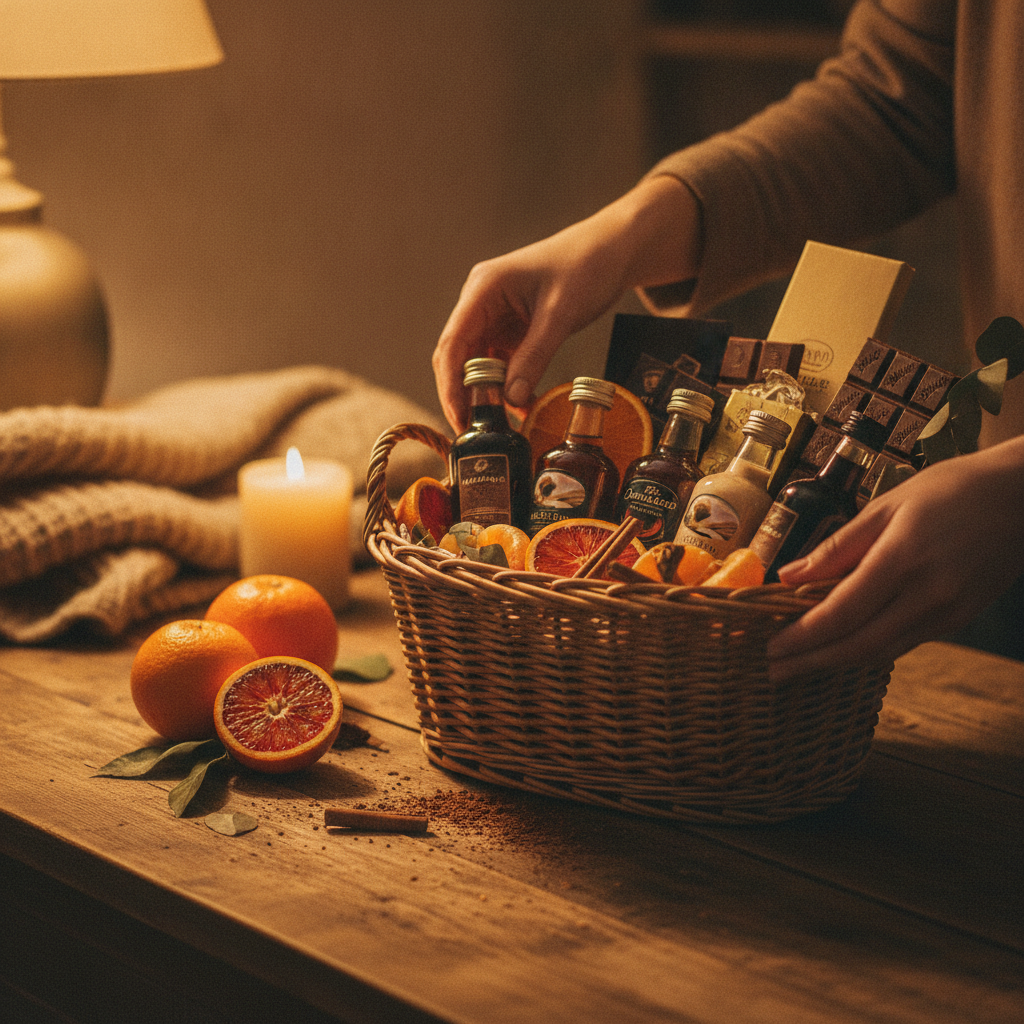
We’re built for convenience. Order liqueurs, coolers, and garnish basics online, then add an RTD pack for variety. If you want to surprise a host, our team can assemble a themed basket with mini liqueurs, dark chocolate, and citrus to riff on B‑52 flavors, then deliver on your schedule.
- Create a “Layered Shot Kit” gift with three mini liqueurs, a spoon, and jigger.
- Add orange‑zested chocolate and coffee beans for a flavor echo.
- Include a card with the equal‑parts template and service tips.
Need something specific? Ask about special orders—we often source beyond regular inventory. And if your gathering requires licensed service, check our site resources for permit guidance so your bar plan matches the rules.
Real‑world examples: how hosts use the B‑52
Home hosts use B‑52s as a dessert shot after a savory course, as a quick opener while guests arrive, or as part of a shooter flight paired with light spritzers. Equal parts simplify batching, and the look photographs well for party albums and social recaps.
After‑dinner dessert shot
- Plate orange‑zest dark chocolate and candied nuts beside each glass.
- Serve a single round of chilled B‑52s within five minutes of plating.
- Offer a citrus seltzer chaser to reset the palate.
Welcome sip at the door
- Keep a tray of six glasses ready; pour in two waves as guests arrive.
- Stage RTD coolers nearby for those who prefer a longer pour first.
- Use the B‑52 as a friendly icebreaker—fast, familiar, and photogenic.
Layered flight for tasting nights
- Build B‑52s next to a citrus highball and a low‑ABV spritz.
- Encourage note‑taking on texture, aroma, and appearance.
- Close with a honey‑sweet wine or mead sample to show contrast.
We’ve seen hosts combine shooters and spritz for a balanced arc: rich, then bright, then mellow. It keeps energy up without overwhelming palates—and makes service smoother for the person behind the bar.
Best practices from our team
Chill, measure, pour slow, and serve fast. Keep your spoon low and your stream thinner than pencil lead. Dry the glass interior, label your bottles, and test new brand swaps in a half‑pour. Presentation wins hearts—clean stripes and a quick handoff make the experience.
- Practice a 10–12 second pour per 0.5 oz to avoid turbulence.
- Stage components left‑to‑right in build order to prevent mistakes.
- Use narrow, tall glassware to exaggerate contrast.
- Keep paper towels away from any flaming experiment; extinguish first.
In our experience, the small rituals—dry glass, cold bottles, steady hand—produce the biggest visual payoff. Do those three, and the rest falls into place.
Helpful picks from our shelves
Round out your cart with mixers and RTDs so every guest has a fit. Variety packs keep service smooth between shooter rounds. Our curated cooler selections are built for easy hosting and pair cleanly with dessert‑leaning shots like the B‑52.
Looking for variety? Explore seasonal packs like berry or citrus assortments alongside your liqueurs. Two popular options many hosts add for balance are a sparkling rosé‑style RTD and a mixed vodka‑soda pack that stays light and refreshing between richer sips.
- Balanced rosé‑style packs complement dessert‑leaning shooters.
- Mixed vodka‑soda assortments act as palate cleansers.
- Keep a citrus seltzer cold for guests who want a lighter start.
Want more cocktail ideas beyond shooters? Browse our recipe features like the classic Tequila Sunrise and a bright Cranberry Gin Cocktail to build out a varied menu.
At a glance: the b 52 drink recipe
Recipe: 0.5 oz coffee liqueur, 0.5 oz Irish cream, 0.5 oz orange liqueur. Order: coffee, cream, orange. Glass: 1.5 oz shot. Technique: pour each layer over a bar spoon for 10–12 seconds. Serve: immediately, chilled. Optional: brief flame with caution, extinguish before sipping.
- Equal parts make scaling simple for events.
- Colder bottles and a dry glass sharpen the bands.
- Higher‑proof orange liqueur improves floating and aroma.
- Use RTDs between rounds to pace sweetness.
That’s the core template. Everything else—brand, garnish, or flame—is personal style. Start here, and your stripes will hold.
Frequently Asked Questions
Here are concise answers to common B‑52 questions: glass size, layering order, flaming safety, batching tips, and substitutions. Each response is designed for quick scanning and voice assistants, with the exact order, amounts, and a practical fix for the most frequent mistakes.
What size glass should I use for a B‑52?
Use a 1.5‑ounce shot or small cordial glass. The classic build is three 0.5‑ounce layers, which fill that volume neatly and help maintain clean stripes.
What is the correct layering order?
Pour coffee liqueur first, float Irish cream second, and finish with orange liqueur on top. This density order keeps the layers distinct if you pour each over the back of a spoon.
Can I flame the top safely?
Yes, with care. Use a high‑proof orange liqueur, keep the glass under‑filled, and light with a long match. Never sip while aflame; extinguish first and prioritize safe surroundings.
How do I batch B‑52s for a party?
Pre‑measure into squeeze bottles, chill, and pour rows side‑by‑side. Build across the row: base, cream, then orange liqueur. With practice, a dozen glasses take about two minutes.
What substitutions work well?
Try chocolate liqueur for the base, almond or hazelnut for the middle, or blue Curaçao on top. Keep density order intact. If stripes blur, increase chill and pour slower.
Conclusion and next steps
The B‑52 is a fast, photogenic shot any home bartender can master. Keep bottles cold, pour slow, and serve promptly. For hosting ease, add RTDs and small bites. Rayzr’s Cellar can help with delivery, custom baskets, special orders, and permit guidance across Canada.
- Master the equal‑parts layering technique with a bar spoon.
- Batch components for events to speed service.
- Complement with sparkling RTDs and citrus snacks.
- Explore permit resources and gift options to elevate your event.
Ready to host? Order your liqueurs, mixers, and a balanced spritz pack online from Rayzr’s Cellar. We’ll help you stage a smooth, photo‑ready service your guests will remember.